How to Become a Poker Dealer? A Guide for Los Angeles/Southern California
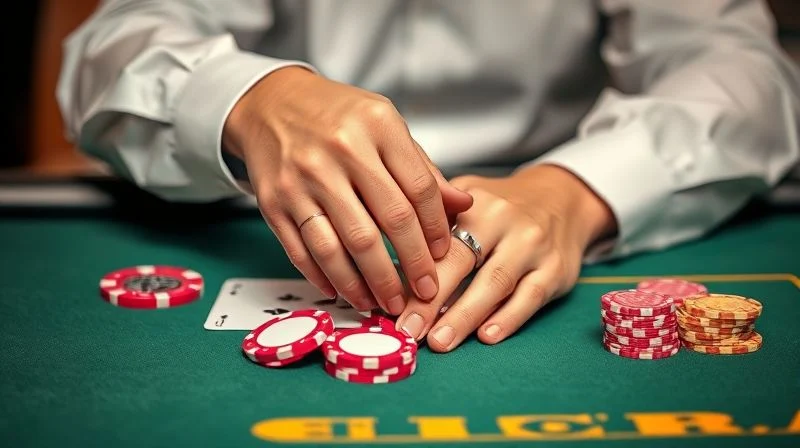
Just graduated from college and want to become a poker dealer in Southern California? This article provides introductory advice, including dealer schools, job search directions, skill requirements, and current hiring overview, to help you start your poker career.
From Scratch: Getting Started as a Poker Dealer
If you've just graduated and are considering a career as a poker dealer in the Los Angeles / Southern California area, here are some common paths and tips to help you get started.
1. Do You Need to Attend Dealer School?
Generally, casinos and poker rooms prefer to hire experienced dealers, but many also offer in-house training. Dealer school is one of the fastest ways to break in, typically lasting a few weeks to months and covering basic table operations, chip management, game rules (such as Texas Hold'em, Omaha, etc.), and customer service skills. Some community colleges and private schools in California offer these courses, with tuition ranging from a few hundred to two thousand dollars. However, large poker rooms (like Commerce Casino, The Bicycle Hotel & Casino) may also hire raw beginners and provide training, so check their human resources departments first.
2. Where Are They Hiring?
There are many poker rooms and casinos in Los Angeles / Southern California, including:
- Commerce Casino (Commerce)
- The Bicycle Hotel & Casino (Bell Gardens)
- Hollywood Park Casino (Inglewood)
- Hustler Casino (Gardena)
- Morongo Casino (Cabazon, a bit farther)
- Pechanga Resort Casino (Temecula)
It's best to visit each casino's website under "Careers" or go in person to ask about job openings. Listings are often posted on job sites (such as Indeed, CasinoCareer.com) – search for "poker dealer" or "table games dealer."
3. Skills & Requirements
- Basic math skills: quickly calculate pots, tips, chip exchanges.
- Communication & patience: handle different types of players and keep the game flowing.
- Mental toughness: deal with disputes, slow players, or high-pressure situations.
- Legal work status: U.S. citizen or work permit holder.
- Age requirement: usually 21 or older (since casinos serve alcohol).
Many casinos require background checks and gambling commission clearances; some may need a dealer license (in California, this is often handled through the casino's own training but must comply with state regulations).
4. Salary & Career Prospects
Poker dealers typically earn an hourly wage + tips. Entry-level hourly pay is low (around $10–$15/hour), but tips can multiply that several times over, especially during busy shifts. Experienced dealers at large poker rooms can make $4,000–$8,000 per month. Career paths include moving up to floor supervisor or switching to other games (such as blackjack, roulette).
5. Practical Advice
- If you choose dealer school, ask about graduate employment rates and pick a program with good placement partnerships.
- Learn basic poker terminology and common game variants (Texas Hold'em, Omaha, Seven-Card Stud).
- Practice shuffling, dealing, and pushing chips in advance – YouTube tutorials can help.
- Prepare a resume highlighting customer service, teamwork, etc.
- Bring confidence and a positive attitude: interviews often include a mock dealing test.
Good luck finding your ideal start in the Southern California poker world!