2026 MSIGA Online Poker Shared Liquidity Guide by State
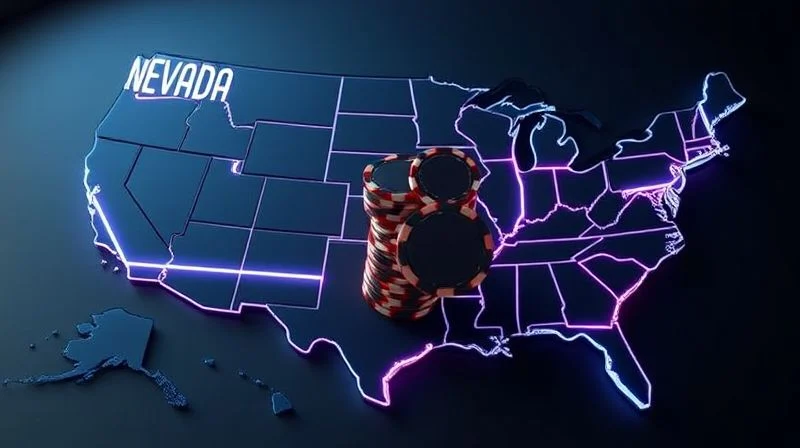
The Multi-State Internet Gaming Agreement MSIGA plans to further expand online poker shared liquidity in 2026. This article explains the MSIGA mechanism, current participating states, and its impact on players, helping legal US poker players seize cross-state competition opportunities.
What is MSIGA Shared Liquidity?
The Multi-State Internet Gaming Agreement (MSIGA) is an interstate compact that allows online poker operators in different states to share player pools. By pooling liquidity, players can participate in larger tournaments, enjoy richer cash game experiences, and operators can boost prize pools and rake revenue.
Currently, several U.S. states have legalized online poker, but each state's player pool is fragmented. MSIGA was established to address this issue: when a state joins the agreement, licensed poker sites within that state can compete against players from other member states.
MSIGA Outlook for 2026
According to industry consensus, MSIGA member states are expected to expand further by 2026. Current active members include Nevada, Delaware, and New Jersey (in a shared liquidity model).
- Nevada: Limited to WSOP.com, primarily targeting high-stakes cash games and tournaments.
- New Jersey: Home to multiple operators, the member state with the largest liquidity.
- Delaware: Smaller in scale, but has expanded its player base through sharing.
It is anticipated that around 2026, Pennsylvania, Michigan, West Virginia, and others may formally join MSIGA, leading to significant growth in the U.S. online poker market.
Practical Impact on Players
After joining MSIGA, players can:
- Participate in more cash games and events within a larger player pool.
- Enjoy richer tournament prize pools — more players mean higher prize pools.
- Use a single account to play across states (subject to age and geolocation verification in each state).
Note that players must be physically located within an MSIGA member state to participate in cross-state play, and operators must be licensed by the local gaming commission.
Legality and Regulation
MSIGA is protected under the exemption clause of the UIGEA (Unlawful Internet Gambling Enforcement Act), provided each state explicitly allows it and enforces strict regulation. All cross-state games use geolocation technology to ensure players are within legal boundaries.
In 2026, as more states consider joining, regulators will face challenges in coordinating player protection, anti-money laundering, and responsible gaming. However, the overall trend is toward a more open and secure online poker ecosystem.