Online Poker Security Tips: Account Protection and Fraud Prevention
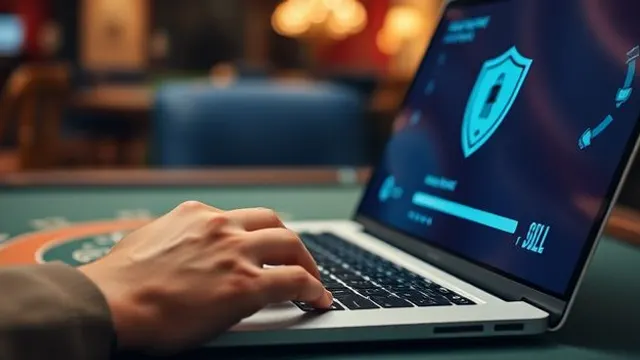
This article explains the key points of account protection and fraud prevention in online poker, including common threat principles, practical examples, common misconceptions, and a summary, helping players build a strong security defense.
Online poker offers convenience and entertainment, but it also carries risks such as account theft and fund loss. This article systematically introduces account protection and anti-fraud precautions to help players reduce risks.
Definition
Online poker security refers to the series of measures players take when participating in online poker games to protect their personal accounts, funds, and privacy from unauthorized access or misuse by third parties. Core objectives include preventing account theft, avoiding phishing scams, blocking malware attacks, and guarding against social engineering traps.
Principles
1. Account Password Security
- Strong Password Principle: Use at least 12 characters, mixing uppercase and lowercase letters, numbers, and special symbols. Avoid using birthdays, common words, or sequential characters.
- Password Uniqueness: Use different passwords for each poker website to prevent a single breach from compromising multiple accounts.
- Regular Changes: Update passwords every 3-6 months.
2. Two-Factor Authentication (2FA)
2FA adds a second layer of verification beyond passwords, such as SMS codes, authenticator apps, or hardware keys. Even if a password is leaked, attackers cannot log in. Almost all major poker platforms support this feature, and it is strongly recommended to enable it.
3. Phishing Attacks
Phishing is a common scam where attackers impersonate platform official emails, SMS, or websites to trick players into entering their account credentials. Legitimate official notifications will never ask for passwords or verification codes. Key precautions:
- Check if the sender address matches the official domain.
- Do not click links in emails; manually type the URL.
- Beware of urgent language (e.g., "Account anomaly, verify immediately").
4. Malware
Malware can be installed via phishing links, unauthorized plugins, or downloads to capture keystrokes or screenshots. Precautions:
- Only download clients from official sources.
- Install reliable antivirus software and scan regularly.
- Avoid logging in on public computers.
5. Social Engineering
Scammers impersonate customer support or friends via phone or instant messaging, asking for information under pretexts like "unfreeze account" or "help test." Legitimate customer service will never proactively ask for passwords or verification codes.
Practical Examples
Example 1: Fake Customer Support Scam
A player receives a call from someone claiming to be poker platform customer support, stating their account is at risk and asking for a verification code for "security verification." After providing it, the account is immediately stolen. Correct response: Hang up and directly contact the platform's official customer support.
Example 2: Fake Deposit Promotions
Scammers post links offering "deposit bonuses" or "VIP privileges," leading players to fake websites for deposits. Funds go to the scammer's account, and the player's account is blocked. Legitimate promotions are announced within the platform and are not sent via private links.
Example 3: Shared Account Risks
A player shares their account with a friend or stranger, leading to malicious chip depletion or password changes. Poker rules typically prohibit account sharing and do not cover such losses. Always keep your account exclusive.
Common Misconceptions
- Misconception 1: Public Wi-Fi is Safe: Public networks are easily eavesdropped, and attackers can intercept login information. Using a VPN or mobile hotspot is safer.
- Misconception 2: Short Links are Safe: Verify the destination before clicking short links; use preview features or ask the sender directly.
- Misconception 3: Auto-login is Convenient: Checking "Remember Password" or using autofill increases risk if the device is stolen. Enter passwords manually each time.
- Misconception 4: Accounts are Worthless: Believing an account is worthless and neglecting security, but accounts can be used for money laundering or spreading malicious information.
Summary
Online poker account protection and fraud prevention require continuous vigilance and good habits. Core measures include: using strong, unique passwords; enabling two-factor authentication; not clicking suspicious links; not sharing accounts; and regularly checking login devices. Whenever anyone asks for passwords or verification codes, always verify through official channels. Only by integrating security into daily practice can you fully enjoy the pure fun of poker.
FAQ
- Most likely it's a phishing email. Legitimate poker platforms will not actively ask you to click a link via email to verify your account, let alone ask for your password or verification code. Please directly log in to the platform's official website manually enter the URL or contact official customer service to confirm. Do not click suspicious links.