Online Poker Tournament Formats: Key Factors Attracting Digital Players
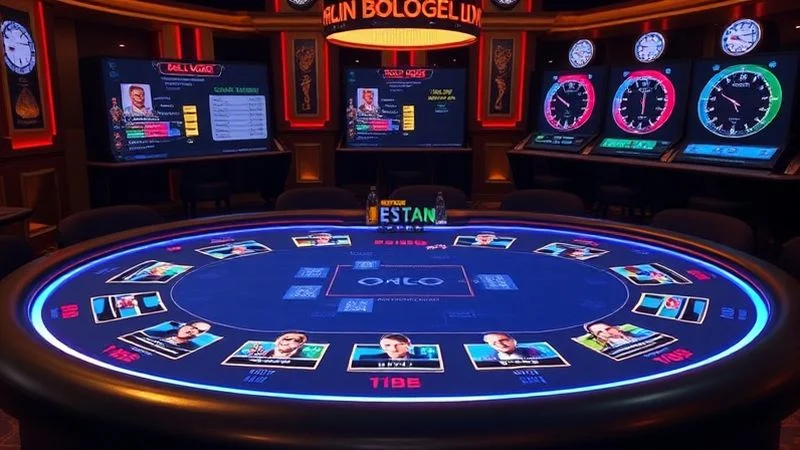
The diversity of online poker tournament formats directly affects player experience and retention. This article analyzes the characteristics and appeal of mainstream formats such as classic freezeout, re-buy/re-entry, bounty, turbo, and deep stack, and discusses how satellite tournaments, guarantees, and scheduling strategies meet different player needs, helping you choose the most suitable game.
Online poker tournaments are a core component of the digital card room experience, directly impacting player engagement and activity. An effective tournament structure offers excitement and balance for different types of players and bankrolls. This article explains how diverse formats cater to modern demands while keeping online poker competitive and appealing.
Players value action, fairness, and flexible scheduling, so poker tournament formats have expanded accordingly. Online poker allows you to participate in events that suit your preferred time zone, duration, and strategic focus. In a crowded digital environment, understanding the appeal of different formats helps you choose games that align with your goals and habits. Flexible schedules, fast-paced gameplay, and varied structures give players more control than ever.
Player Preferences Drive Format Innovation
Popular online poker formats typically simplify the entry process while ensuring an engaging game experience. Players seek clear prize pools, structured formats, and environments where skill can truly affect outcomes. Predictable blind levels and balanced stack depths add a sense of fairness and control.
Technological advancements have also given rise to faster, more dynamic events designed for mobile play and short sessions. These formats cater to players who want efficiency, exciting action, and the ability to join briefly. The trend toward on-demand tournaments and rotating schedules reflects greater player choice and flexibility.
Classic Freezeout and Re-Entry Variations
Traditional freezeout tournaments require careful chip management, as there is no second chance after elimination. This format rewards disciplined play and highlights the importance of every hand decision, attracting players who value pure poker skill and strategy.
Re-entry and rebuy tournaments allow more aggressive strategies, increasing field size and prize pools while offering additional opportunities to continue playing. While appealing to those seeking more chances to win, these formats introduce new bankroll management challenges and may adjust the competitive balance. In some cases, platforms allow players to rejoin after elimination, altering risk and overall game dynamics in a unique way.
The Appeal of Bounty, Turbo, and Deep Stack Formats
Progressive knockout tournaments combine traditional chip play with the challenge of collecting opponents' bounties. This increases action frequency, encourages bold play, and provides extra rewards for eliminating players, influencing risk management and strategy.
Turbo and hyper-turbo formats prioritize speed, delivering fast-paced action ideal for players with limited time. Rapidly rising blinds make push-fold strategies more relevant, offering a convenient, high-intensity experience for those seeking quick results.
For participants who prefer skill-driven outcomes, deep stack and slow structure tournaments encourage more post-flop play and strategic depth. Well-designed late registration periods provide flexibility while maintaining a stable and competitive arena for experienced players.
Satellites, Guarantees, and Scheduling Strategies
Satellite and step qualifiers allow players to win entry into major tournaments with a small initial investment. These structures create anticipation and require strategic adjustments, as prizes often consist of tournament tickets rather than cash.
Operators also experiment with different start times, prize pool guarantees, and buy-in levels to attract various player groups. When guarantees exceed actual buy-ins collected, overlays can encourage more entries, but maintaining a consistent and fair structure is crucial, as players choose the best options based on their goals and schedules.