How Social Media Turns Online Poker
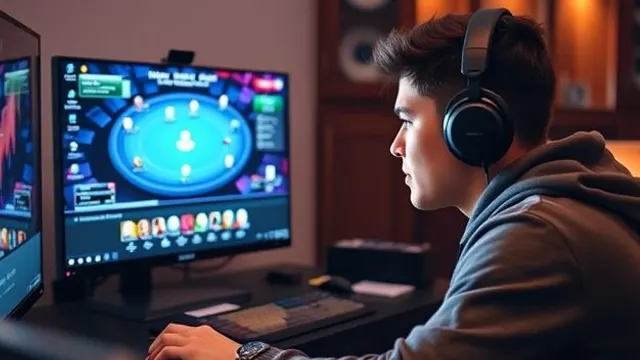
Social media is reshaping the online poker industry, as players build personal brands through live streaming, content creation, and community interaction, transforming from players to influencers. This article explores the drivers, success factors, and future impact of this trend.
Social Media: The New Battleground for Poker Players
In the past, online poker players typically remained anonymous or used virtual identities at the tables. However, in recent years, social media has completely changed this landscape. More and more players are proactively sharing their hand analysis, strategy insights, and even daily lives, attracting fans through diverse content and gradually building personal brands.
Why Do Poker Players Need a Personal Brand?
- Fan Economy: Well-known players can generate stable income through live-stream tips, subscriptions, and advertising partnerships, sometimes exceeding tournament winnings.
- Sponsorship Opportunities: Poker platforms, equipment suppliers, and betting sites prefer to collaborate with influential players, turning brand recognition directly into commercial value.
- Community Recognition: Players active on platforms like Twitter, Twitch, and YouTube gain industry recognition more easily, earn invites to high-stakes events, or get opportunities to attend live tournaments.
Common Traits of Successful Cases
Although specific figures vary, successful personal brands typically share the following characteristics:
- Consistent High-Quality Content: Regularly publishing hand analysis videos, strategy articles, or showcasing high-level play through live streams.
- Differentiated Positioning: Some players focus on tournament strategy, others on cash game techniques, while others stand out with a humorous style or educational content.
- Engagement and Authenticity: Frequent interaction with fans and honest sharing of winning and losing experiences help build trust.
Impact on the Industry
Social media has not only changed players' career paths but also promoted the popularization of poker culture. For example:
- Beginners can easily get started through free content, lowering the learning barrier.
- Poker-related topics gain more public attention, increasing the industry's visibility.
- Competition among players extends beyond pure poker skills to content creation abilities, forming a new "soft power" contest.
Challenges and Risks
- Time Commitment: Maintaining an active social media presence requires significant effort, which may affect skill training.
- Negative Publicity: Once cheating or inappropriate behavior occurs, the brand image can collapse instantly.
- Platform Dependency: Algorithm changes or policy adjustments may cause a sharp drop in traffic.
Conclusion
Social media is transforming poker players from mere game participants into multifaceted content creators. This trend is expected to deepen, and in the future, we may see more professional players who rise from scratch by relying on social networks. For aspiring players, building a personal brand early on may have more long-term value than winning a gold bracelet.
FAQ
- Main avenues include live streaming tips and subscriptions, paid teaching courses, brand sponsorship deals, e-commerce promotion e.g., poker gear, and ad revenue sharing from content platforms.