ESPN Traz Tecnologia de Leitura de Comportamento com IA para Transmissões do WSOP
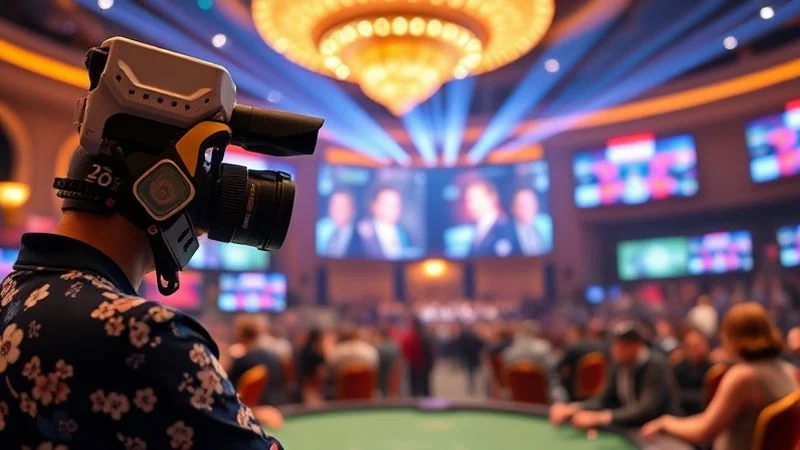
A ESPN introduziu um sistema de análise de comportamento baseado em IA durante sua cobertura do WSOP, capaz de detectar blefes e telles dos jogadores sem ver as cartas fechadas. A tecnologia usa captura de movimento e dados históricos para fornecer insights em tempo real.
IA Lê Tellas de Pôquer ao Vivo na TV
A ESPN está revolucionando a transmissão de pôquer com um novo sistema de inteligência artificial que analisa o comportamento dos jogadores durante o evento principal da World Series of Poker (WSOP). Segundo relatos, a tecnologia utiliza câmeras de captura de movimento e algoritmos de machine learning para detectar mudanças sutis na linguagem corporal, microexpressões faciais e padrões de apostas. O sistema consegue prever se um jogador está blefando ou segurando uma mão forte com notável precisão—sem nunca olhar para suas cartas fechadas.
Como Funciona
A IA, desenvolvida em parceria com uma empresa de análise comportamental, processa feeds de vídeo de vários ângulos. Ela rastreia movimentos dos jogadores, como tremores nas mãos, contato visual e mudanças posturais, comparando-os a um banco de dados de milhares de mãos de jogadores profissionais. O sistema então atribui uma pontuação de “probabilidade de blefe”, que aparece como um gráfico na tela durante a transmissão da ESPN.
"Isso não é sobre ler mentes—é sobre reconhecimento de padrões", explicou um porta-voz da empresa. "Ao analisar comportamentos de apostas e tellas físicas, podemos inferir a força de uma mão com base em como os jogadores agem em situações semelhantes."
Implicações para Telespectadores e Jogadores
A tecnologia adiciona uma nova camada de entretenimento para os telespectadores em casa, oferecendo uma visão da batalha psicológica na mesa. No entanto, alguns jogadores expressaram preocupação de que a análise comportamental detalhada possa influenciar as decisões de seus oponentes. Em resposta, a ESPN observa que o sistema exibe apenas estatísticas agregadas e não fornece alertas em tempo real para os jogadores.
Precisão e Limitações
Em demonstrações, a IA identificou blefes corretamente cerca de 70% das vezes, mas especialistas alertam que o pôquer é, em última análise, um jogo de informação incompleta. O sistema enfrenta dificuldades com jogadores altamente experientes que deliberadamente mascaram suas tellas. "É uma ferramenta de análise, não uma bola de cristal", disse um comentarista da WSOP.
O Futuro da Cobertura de Pôquer
Esta é a primeira vez que a leitura comportamental por IA é usada em uma transmissão ao vivo de pôquer. Se for bem-sucedida, sistemas semelhantes podem se tornar padrão em grandes torneios, fornecendo análises estratégicas mais aprofundadas e melhorando a experiência do espectador.
Nota: Este artigo é baseado em relatos disponíveis sobre o uso da tecnologia de IA pela ESPN durante a WSOP. Métricas de desempenho específicas e detalhes técnicos podem variar.