China Hotel Project Stalls Amid Unpaid
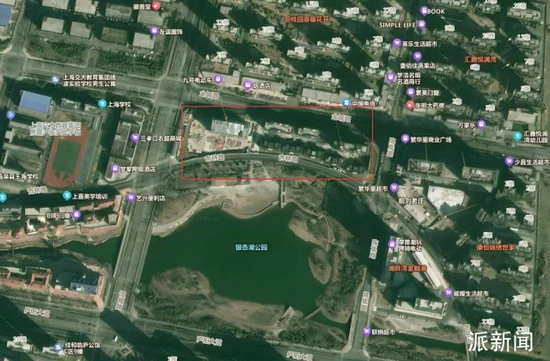
A key commercial development in Linquan County, Anhui, has stalled amid unpaid wages, taxes, and debts, raising questions about risk in regional construction projects.
A Flagship Project Grinds to a Halt
A modern commercial development in Linquan County, Anhui Province, has reportedly stalled, with unpaid wages, unpaid taxes, and outstanding debts cited as the central problems. The project, identified as the Zhen'ai Nianhua Grand Hotel, had been positioned as a key modern commerce initiative for the county. Its suspension highlights how quickly a high-profile construction scheme can unravel when financing and payment obligations are not met.
What the Reports Indicate
The available information points to three overlapping categories of unpaid obligations: wages owed to workers, taxes owed to authorities, and general debts owed to other parties. Each of these carries distinct consequences. Unpaid wages directly affect the livelihoods of construction workers and staff, and can trigger labor disputes or regulatory intervention. Unpaid taxes expose the developer to penalties and may indicate broader cash-flow distress. Outstanding debts suggest that contractors, suppliers, or lenders have not been made whole, which can lead to litigation, liens, or further work stoppages.
Because the source material is limited, the exact scale of the shortfall, the number of affected workers, and the identities of the parties involved are not established here. What can be said with confidence is that the combination of these three problems typically signals a project that has run into serious financial difficulty rather than a temporary scheduling delay.
Why Local Flagship Projects Carry Risk
Projects billed as key regional developments often receive attention and support because they are expected to anchor commercial activity, create jobs, and generate tax revenue. That same prominence can mask underlying fragility. When a project depends on pre-sales, staged financing, or a single developer's balance sheet, any interruption in cash flow can cascade. Contractors may pause work when invoices go unpaid. Workers may leave or file complaints. Local authorities may step in when taxes and wages are at stake.
For the surrounding community, the effects extend beyond the construction site. A stalled hotel or commercial complex can leave a visible unfinished structure, delay expected services, and dampen confidence in other nearby projects. Suppliers and small subcontractors are often the most exposed, since they may have extended credit or committed labor without securing payment.
What Typically Happens Next
In situations like this, several outcomes are common. Negotiations may take place among the developer, creditors, and local authorities to restructure obligations or arrange new financing. Labor authorities may pursue wage claims on behalf of workers. Tax authorities may impose penalties or payment plans. If a resolution is not reached, the project may be sold, transferred, or liquidated.
None of these outcomes should be assumed in this specific case. The reports describe a stalled project with unpaid obligations, not a confirmed resolution or a final legal determination.
The Broader Takeaway
The episode is a reminder that headline status does not guarantee financial stability. For investors, contractors, and workers, the lesson is to monitor payment performance and financing structure, not just project branding. For local economies, it underscores the importance of oversight and contingency planning when large developments rely on fragile funding chains.
Further details, including the scale of the debts and any official response, have not been confirmed in the available material.
FAQ
- It is a hotel development in Linquan County, Anhui Province, described as a key modern commerce project. Reports say it has stalled amid unpaid wages, taxes, and debts.