B2B Poker Is Not Just a Software Sale,
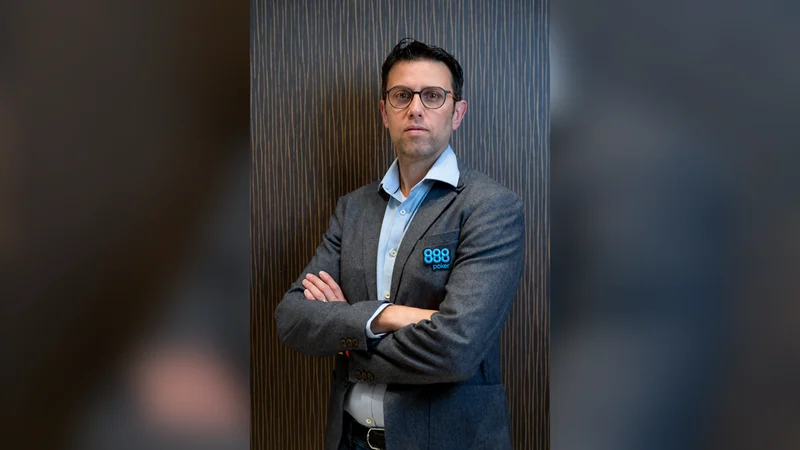
A director at 888 Poker argues that business-to-business poker is more than a software transaction, pointing to deeper operator responsibilities.
B2B Poker Is More Than a Software Transaction
In a discussion published by Poker Industry PRO, a director at 888 Poker makes a pointed argument about how business-to-business poker should be understood. The central claim is simple: selling poker software to another operator is not the same as selling a finished product off the shelf. The title of the Q&A captures the position directly — B2B poker is not simply a software sale.
That framing matters because it pushes back against a common assumption in the industry. From the outside, a B2B poker deal can look like a straightforward licensing arrangement: one company builds the platform, another company pays for access, and the technology changes hands. The 888 Poker director's view suggests that this picture leaves out most of what actually determines whether a B2B poker operation succeeds.
What a Software Sale Usually Means
In most software categories, a vendor delivers a product, provides support, and the buyer takes responsibility for how it performs in the market. The vendor's job largely ends at the point of delivery. Poker, however, does not behave like a typical software category.
Poker is a liquidity-driven game. Its value to players depends on having enough other players in the pool, at the right stakes, at the right times. A platform can be technically flawless and still fail commercially if the player ecosystem around it is thin. That is one reason the B2B relationship in poker tends to be more involved than a standard vendor-client arrangement.
Why the Distinction Matters
If B2B poker were only a software sale, the vendor's responsibilities would be narrow and mostly technical. The director's argument implies a broader set of obligations. These typically include areas such as:
- Player liquidity and how games are pooled or shared
- Regulatory and compliance requirements in each market
- Payment processing and localisation for different regions
- Ongoing game integrity and anti-fraud work
- Retention and promotional strategy that keeps tables active
Each of these sits outside the boundaries of a conventional software licence. They are operational and commercial concerns, and they usually require the platform provider to stay engaged long after the initial deal is signed.
The Operator's Side of the Equation
The argument also has implications for the operator buying into a B2B poker arrangement. If the product is not a simple software purchase, then the buyer cannot treat it as one either. Success generally depends on how well the operator integrates the platform with its own brand, marketing, and customer base. A shared responsibility model tends to replace the clean handover that defines ordinary software sales.
This is a typical pattern in regulated online gambling, where the technology provider and the operator often share duties around compliance and player protection. The exact split varies by market and by contract, but the principle is consistent: poker is a live, networked product rather than a static tool.
A Broader Industry Signal
The comment arrives at a time when B2B poker supply is a competitive and closely watched part of the online gambling industry. Operators weighing whether to build, buy, or partner must assess not just the software itself but the ecosystem, the regulatory footprint, and the long-term support that comes with it.
Framing B2B poker as something more than a software sale is therefore not just a marketing position. It is a claim about where value actually comes from in the product — and about what a provider is really promising when it signs a deal. For operators, the practical takeaway is to evaluate a B2B poker partner on operational depth and market support, not on feature lists alone.
FAQ
- The argument is that selling poker technology to another operator involves far more than delivering a product. It typically includes liquidity, compliance, payments, game integrity, and ongoing operational support, which go beyond a standard software licence.