Best Poker Training Sites That Teach PLO
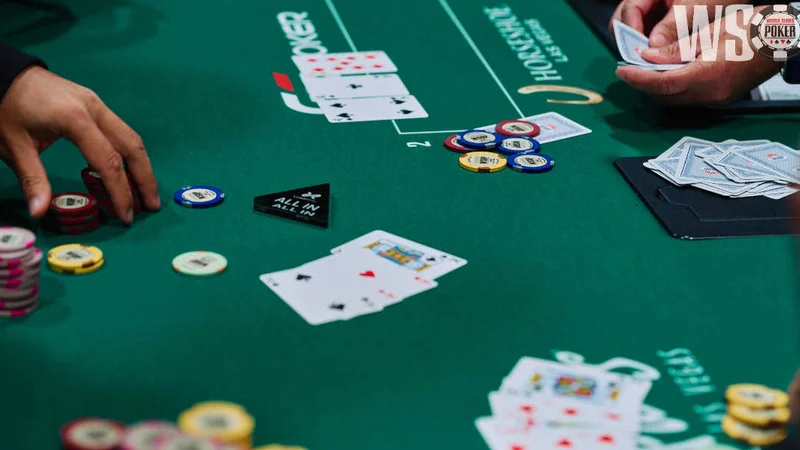
A look at what separates strong PLO training platforms from generic poker courses, and how players should evaluate tools for Pot-Limit Omaha study.
Pot-Limit Omaha has grown into one of the most popular and profitable variants in modern poker, yet the training market has historically been built around No-Limit Hold'em. Players searching for dedicated PLO instruction often find that many mainstream training sites treat Omaha as an afterthought. Understanding what a good PLO training platform should offer helps players avoid paying for content that does not match their game.
Why PLO Training Is Different From NLHE
Pot-Limit Omaha is a fundamentally different game from No-Limit Hold'em. Players receive four hole cards instead of two, which dramatically increases the number of possible starting combinations and the complexity of post-flop decision-making. Hand values shift constantly, and draws are far more common and more powerful.
Because of this, training material designed for Hold'em rarely transfers cleanly to PLO. A course that teaches range construction, bet sizing, and board texture for two-card games will not automatically prepare a player for the four-card dynamics of Omaha. Dedicated PLO training needs to address:
- Preflop hand selection across a much wider and more nuanced range of holdings
- The outs and equity swings created by wrap draws, flush draws, and combo draws
- Positional awareness in a game where multiway pots are the norm
- Pot control and stack-to-pot ratio considerations unique to Omaha
What to Look For in a PLO Training Site
When evaluating a training platform that claims to teach PLO, players should focus on substance rather than marketing. A few practical criteria stand out.
Depth of PLO-Specific Content
The site should offer a genuine library of Omaha material, not a handful of videos buried inside a Hold'em curriculum. Look for structured courses, hand history reviews, and strategy discussions that stay focused on four-card poker.
Quality of Study Tools
Modern training platforms typically include solvers, equity calculators, and range trainers. For PLO, the usefulness of these tools depends on whether they support Omaha-specific inputs. A solver that only models two-card games has limited value for an Omaha student.
Coaching and Community
Access to coaches who specialize in PLO, or a community of active Omaha players, can accelerate learning. Discussion forums and study groups give players a place to test ideas and review hands with peers.
Realistic Scope
No single site is best for every player. A beginner working on fundamentals has different needs than a mid-stakes regular refining advanced solver work. Matching the platform to your current level matters more than chasing the most expensive option.
Common Mistakes When Choosing a PLO Course
Players new to Omaha training often make avoidable errors. A typical situation is buying a general poker membership and assuming the Omaha section will be sufficient, only to find it shallow. Another common mistake is focusing on advanced solver output before building a solid preflop foundation.
It also helps to remember that PLO strategy continues to evolve. What was considered standard play a few years ago may no longer reflect current best practices, so training content should be reasonably current.
Building a Study Routine Around PLO
Training sites are only one part of improvement. A balanced routine usually combines structured coursework, hand review, and table time. Players who track their results and revisit difficult spots tend to progress faster than those who consume content passively.
For players serious about Omaha, the goal is not simply to find a site that mentions PLO, but one that treats it as a first-class game with dedicated tools, instructors, and study material. That distinction often separates meaningful progress from scattered, unfocused learning.
FAQ
- PLO uses four hole cards, which creates far more starting combinations, more frequent draws, and different equity dynamics. Hold'em-focused material generally does not transfer cleanly to Omaha.