Brazil Betting Market Future Heads to
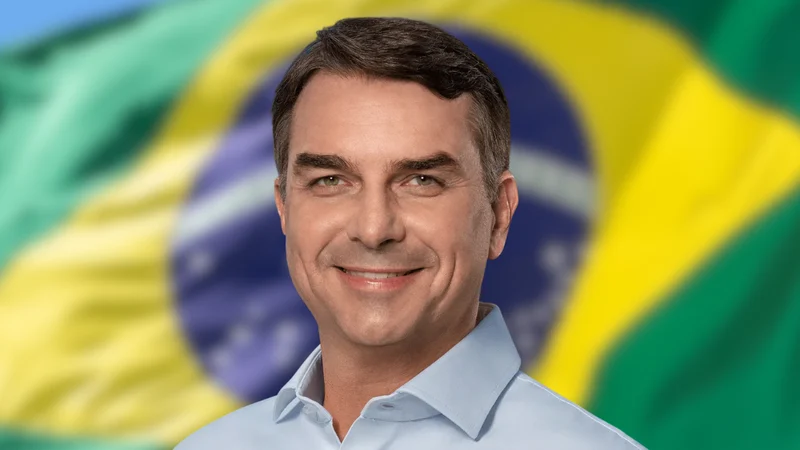
Brazil's regulated betting market faces uncertainty as the presidential race heads to a runoff after Flávio Bolsonaro outperformed polling expectations.
Brazil's Betting Market Enters a Period of Uncertainty
The future of Brazil's regulated sports betting and online gambling market is now tied to a presidential runoff, after Flávio Bolsonaro outperformed pre-election polling and forced the contest into a second round. The result means the regulatory framework governing the country's betting sector remains unresolved for the time being.
Brazil has been building out a regulated betting market, with licensing requirements, operator obligations, and taxation rules forming the backbone of the framework. The sector has drawn significant interest from international operators and investors who view the country as one of the largest potential regulated markets in Latin America. Any change in political leadership can affect how quickly those rules are implemented, enforced, or revised.
Why the Runoff Matters for Operators
A runoff election typically extends the period of policy ambiguity. For betting operators, that can mean delays in licensing decisions, shifts in tax treatment, or adjustments to advertising and consumer protection rules. Companies already active in Brazil or planning entry generally monitor three areas during political transitions:
- Licensing timelines and the pace of authorizations
- Tax rates and payment processing requirements
- Advertising restrictions and responsible gambling mandates
The runoff outcome will shape which direction these policies take, but the specific positions of the candidates on betting regulation are not yet fully detailed in public form. Operators and analysts are therefore waiting for clearer signals before making long-term commitments.
A Market With High Stakes
Brazil's betting market is widely regarded as one of the most promising in the region because of its large population, strong sports culture, and growing digital adoption. A stable regulatory environment is generally seen as the key factor that determines whether the market reaches its potential. Political uncertainty tends to slow investment, as companies weigh regulatory risk against the size of the opportunity.
The runoff campaign is expected to focus on broader economic and governance issues, with betting regulation likely to remain a secondary topic. Even so, the election result will influence the composition of the agencies and ministries that oversee the sector, which in turn affects how rules are written and enforced.
What to Watch Next
Market participants are likely to watch for several developments once the runoff concludes:
- Any statements from the incoming administration on betting regulation
- The pace of licensing and compliance deadlines
- Potential revisions to tax and payment rules
- Enforcement priorities for illegal or unlicensed operators
Until those signals emerge, the practical effect is a holding pattern. Existing operators are expected to continue complying with current rules, while new entrants may delay decisions until the political picture becomes clearer.
A Familiar Pattern in Emerging Markets
Brazil's situation is not unique. In several regulated and emerging betting markets, elections have created pauses in policy implementation, followed by either acceleration or revision depending on the winning platform. The common thread is that regulatory clarity, once established, tends to attract investment and improve consumer protections. Uncertainty, by contrast, tends to favor the status quo and can leave gray-market operators with more room to operate.
For now, the runoff is the key variable. The betting industry will be watching closely, but the most reliable takeaway is that the market's direction depends on decisions that have not yet been made.
FAQ
- The runoff determines the next administration, which will influence how betting regulations, licensing, and taxes are implemented and enforced. Until the outcome is clear, operators face a period of policy uncertainty.