Brazil Moves Toward Online Betting Ban
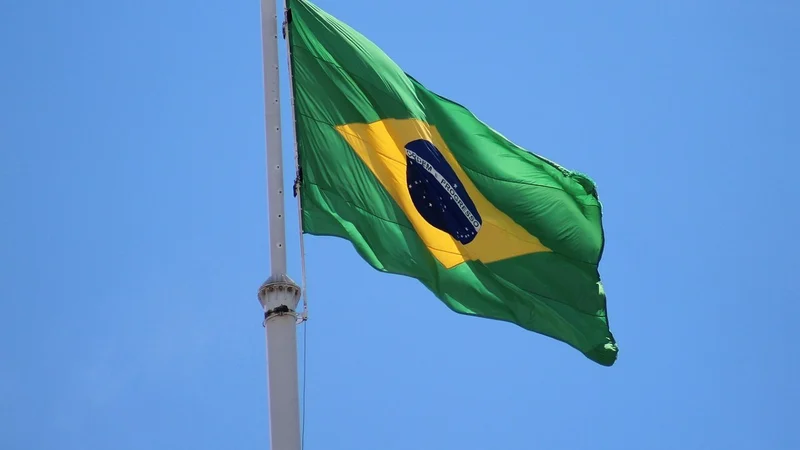
Brazil is reportedly moving toward restricting or banning online betting, a shift that could reshape one of the world's largest regulated gambling markets.
Brazil Signals a Harder Line on Online Betting
Brazil, widely regarded as one of the largest and fastest-growing regulated gambling markets in the world, appears to be moving toward restricting or banning online betting. The development marks a notable reversal for a country that only recently built out a formal licensing framework for fixed-odds betting operators.
The shift matters well beyond Brazil's borders. International operators, platform providers, payment processors, and affiliates have all treated the Brazilian market as a major growth opportunity in recent years. Any move toward prohibition would force those businesses to reassess revenue projections, compliance costs, and long-term investment plans.
Why the Policy Mood Changed
Public and political concern about gambling harm has been building. Common themes in the debate include:
- Problem gambling and household debt, particularly among lower-income bettors
- Aggressive advertising and the visibility of betting brands in sport and media
- Match-fixing and integrity risks in domestic football
- The flow of money out of local communities to offshore or foreign-owned operators
These concerns are not unique to Brazil. Several jurisdictions have tightened advertising rules, imposed affordability checks, or raised taxes in response to similar pressures. What makes Brazil significant is the scale of the market and the speed at which the policy direction appears to be changing.
What a Ban Would Mean for Poker
Poker and sports betting are regulated differently in most markets, and a ban aimed at online betting would not automatically cover online poker. Even so, the two sectors often share infrastructure: payment rails, identity verification systems, affiliate networks, and in some cases the same parent companies.
A restrictive environment can affect poker players in indirect ways. Tighter payment processing makes deposits and withdrawals slower and more expensive. Advertising restrictions reduce the visibility of all card rooms, not just sportsbooks. And when regulators take a broad view of "gambling," poker is frequently swept into the same category as casino games and betting products.
For now, the practical details remain unclear. The scope of any restriction, its timeline, and whether existing licensed operators would be allowed to continue under new conditions are all open questions. Operators and players alike are watching for concrete legislative text rather than statements of intent.
A Market Worth Watching
Brazil has been a rare example of a large country moving toward regulated gambling rather than away from it. If that trajectory reverses, it would be one of the most consequential regulatory shifts in the global industry in recent years, and a signal that the political cost of expansion may be higher than operators assumed.
Poker players and industry participants should treat the situation as fluid. Policy proposals in this area frequently change during drafting and debate, and the final rules often look different from the initial headlines.
FAQ
- It is not yet clear. Poker and sports betting are usually regulated separately, but restrictions on betting can still affect poker indirectly through payment processing, advertising rules, and broader gambling definitions.