Can the WPT Revive the LAPC Main Event?
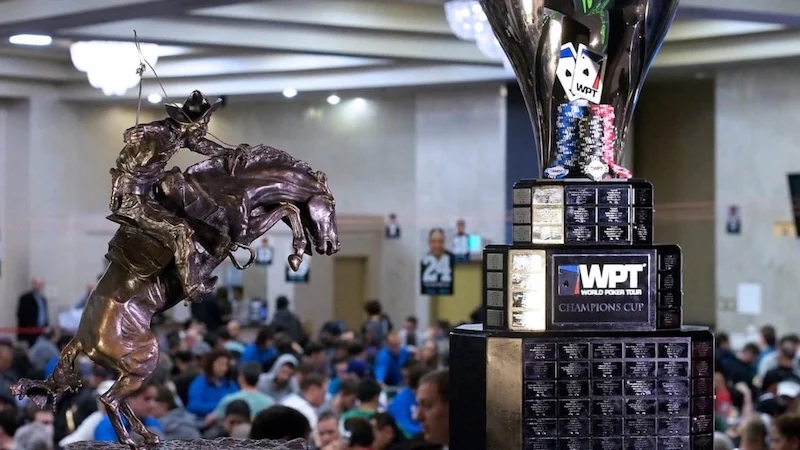
The LAPC Main Event once ranked among poker's major tournaments but recently drew only about 50 entries. The World Poker Tour's involvement raises questions about its future.
A Once-Major Stop Now Struggling
The Los Angeles Poker Classic, commonly known as the LAPC, was once a staple major event on the international poker calendar. For years it sat alongside the biggest tournaments in the game, drawing fields that reflected its status as one of the marquee stops in American poker.
That standing has eroded. The LAPC Main Event recently featured just 50 entries, a figure that underscores how far the tournament has fallen from its peak. A field of that size is small for any event carrying major-tour branding, and it raises a straightforward question: can the World Poker Tour's involvement change the trajectory?
Why Field Sizes Matter
In tournament poker, field size is not just a vanity metric. It shapes nearly everything about an event.
- Prize pools: A larger field produces a larger prize pool, which in turn attracts stronger and more numerous players.
- Prestige: Major titles carry weight partly because of who and how many players were beaten to win them.
- Player experience: Deep fields mean longer, more structured tournaments with more play per buy-in.
- Commercial value: Sponsors, broadcasters, and venues all depend on fields that look credible on screen and in results.
When entries fall to around 50, the event risks a negative feedback loop. Smaller prize pools make the tournament less appealing relative to alternatives, which can shrink the field further in subsequent years.
What the World Poker Tour Brings
The World Poker Tour is one of the most recognized brands in tournament poker, with a long history of televised and streamed final tables and a global schedule of stops. Affiliation with the WPT typically brings several potential advantages:
- Brand recognition: The WPT name signals a certain level of organization and legitimacy to casual and international players.
- Media exposure: WPT events generally receive coverage that independent tournaments may not.
- Player traffic: Tour regulars and points-chasing players may add a WPT stop to their schedules.
- Operational standards: Tour events tend to follow established structures for blind levels, registration, and payouts.
Whether those advantages are enough to reverse a decline is a separate question. Branding can raise awareness, but it does not by itself solve underlying issues such as scheduling conflicts, buy-in levels relative to the local player pool, travel costs, or competition from other events in the same market.
The Broader Context
The LAPC's situation is not unique. Many long-running regional and national tournaments have seen field sizes fluctuate as the poker calendar has become more crowded and players have become more selective about where they spend their time and money. A tournament that was once an automatic stop can lose that status when newer events offer better structures, more convenient locations, or larger guarantees.
For the LAPC, the central challenge is whether a major tour partnership can restore the event's drawing power or merely slow its decline. That depends on factors that are difficult to predict: the health of the Southern California poker market, the willingness of players to travel, and how the event is positioned against competing tournaments.
What to Watch
The clearest signal will be the next edition's entry count. If the field grows meaningfully, the WPT association will have made a measurable difference. If it remains near recent levels, the problem is likely structural rather than promotional.
For now, the question in the headline remains open. The LAPC has history and a recognizable name. Whether that is enough in a crowded poker landscape is something only future fields will answer.
FAQ
- The Los Angeles Poker Classic Main Event is a long-running tournament that was once considered a major stop on the international poker calendar. Its recent edition drew only about 50 entries.