Canada Supreme Court Hears Ontario
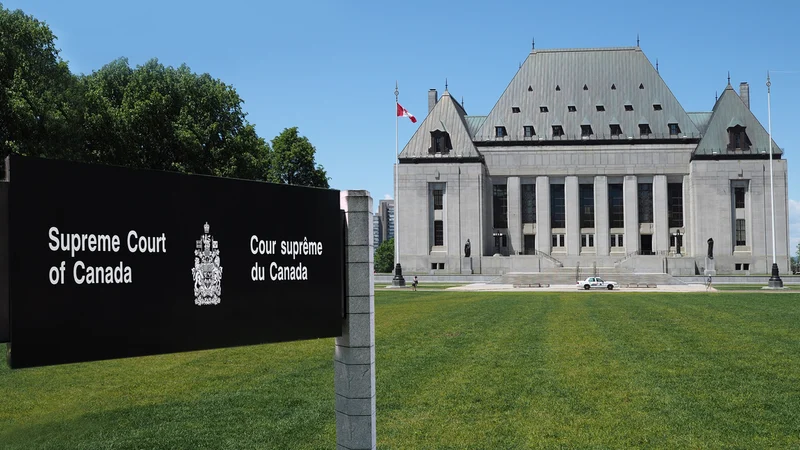
Canada's Supreme Court heard Ontario's international shared-liquidity case on October 7 and reserved judgment, with no timeline for a decision.
Canada's Supreme Court heard arguments on October 7 over Ontario's plan to let players on its regulated iGaming sites compete against international players in online poker and daily fantasy sports (DFS). The Court reserved judgment with no timeline announced.
The Case
The case, Atlantic Lottery Corporation et al. v. Attorney General of Ontario, follows years of debate over Ontario's ring-fenced online poker market, which launched in April 2022.
- April 2022: Ontario launches its regulated iGaming market
- November 2025: the Ontario Court of Appeal rules 4–1 that the international shared-liquidity model would be legal
- October 7: the Supreme Court hears nearly three hours of arguments after provincial lottery corporations appeal
The Legal Dispute
The question turns on Section 207(1)(a) of the Criminal Code, which lets provinces conduct and manage gaming within their borders. Ontario argues it can still conduct and manage games offered to Ontario players when those games include participants outside Canada.
Lottery corporations from British Columbia, Manitoba, Quebec and Atlantic Canada, represented by the Canadian Alliance for Regulated Gaming, argue the Criminal Code does not allow that. They also say Ontario-licensed operators could use the province as a springboard into other provinces. Ontario countered that players elsewhere in Canada could not join without agreements between provincial governments.
Justice Malcolm Rowe challenged whether contracts with international partners amount to conducting and managing the games. Justice Mahmud Jamal asked whether every element of a game must take place inside Ontario. "I'm here to figure out what this statute says is legally permissible," Rowe said.
What a Ruling Could Change
Ontario has more than 50 regulated gaming operators. A ruling in its favor could let players on sites such as GGPoker Ontario enter larger international tournaments with bigger guarantees, but would not create pooling automatically: regulatory arrangements and technical integrations would still be needed.
Alberta took part as an intervener and has shown interest in international liquidity. Ontario and Alberta are separately discussing a domestic player-sharing deal, which the Criminal Code already allows, but no such agreement has been finalized. Until the Court rules, Ontario's poker market stays ring-fenced.
FAQ
- It heard arguments on October 7 and reserved judgment, with no timeline for a decision.