Poker Etiquette Controversy
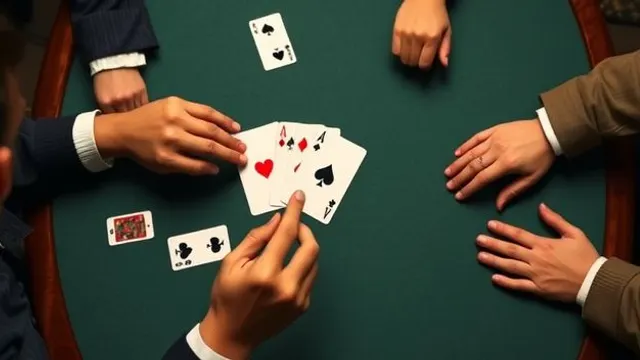
A player in a low-stakes college tournament, after hitting a flush on the river, went all-in. When the opponent hesitated, he showed a 9s to try to induce a call. The opponent called and he revealed the ace-high flush to win. Other players at the table accused him of breaching etiquette, sparking a discussion. This article analyzes the rules of showing cards at the table and the moral boundaries.
![Poker Table Etiquette Dispute: Showing a Non-Nuts Flush to Induce a Call – Is It Against the Rules?]
Incident Recap: Showing the 9s to Induce a Call, Ace-High Flush Takes the Pot
Recently, a user on Reddit’s r/poker shared a hand from a low-stakes college tournament, sparking a heated debate over poker table etiquette.
The Hand
- Hole Cards: The user held As9s.
- Community Cards: 2s 5s Kc 10s 7s (river was 7s).
- Action: Heads-up on the river. Based on the opponent’s betting patterns, the user suspected the opponent held a king with a flush. The user shoved all-in.
- Inducement: The opponent went into the tank. To encourage a call, the user voluntarily showed the 9s and said, “You should fold, I have a flush.”
- Result: The opponent, upon seeing the 9s, immediately called and tabled KsQd, believing he had the bigger flush. The user then revealed the As, winning with an ace-high flush.
Point of Contention
Another player at the table accused the user of “bad etiquette” – showing a card before the opponent acted, in order to influence the opponent’s decision. The user then consulted the dealer (a volunteer from an early bust-out), who said the move was fine.
The user argues that this was a low-stakes fun tournament with no real money at stake, so it’s acceptable. But he asked the Reddit community: In a formal tournament or cash game, would this be allowed?
Rule & Etiquette Analysis
General Rules on Showing Cards
In most regulated poker rooms and tournaments, you may only voluntarily show your hole cards after your opponent has acted or folded. Showing cards while action is still pending is usually considered a violation and can result in a warning or penalty. The reasons:
- Revealing undisclosed hole card information influences the decision of a player who hasn’t acted yet, undermining fairness.
- Deliberately showing a non-nuts hand to induce an incorrect call is a form of “deceptive information sharing” – though not always explicitly against the rules, it violates the spirit of sportsmanship.
Special Circumstances in This Case
- Low-stakes college tournament: Rules are enforced more loosely, and the dealer was a temporary player volunteer, likely not fully versed in formal rules.
- User’s motive: Not to bluff (e.g., representing a strong hand with a weak one), but to reveal part of his hand (the 9s), implying he had a flush. However, the opponent mistakenly believed his king was ahead and fell into the trap.
Perspectives
In favor of the user:
- The user didn’t lie (he indeed had a flush); he merely selectively disclosed information.
- In a low-stakes fun game, strict etiquette isn’t necessary.
- The opponent had already invested chips before the river and had the right to see a card before making a decision – if the rules had prevented showing, the opponent wouldn’t have gotten that information.
Against the user:
- Even in a low-stakes game, showing cards to influence an opponent who hasn’t acted is disrespectful.
- If the user truly believed the opponent would misjudge, he should have let the opponent make his own mistake rather than actively providing “misleading information.”
- In a formal cash game, such behavior may be prohibited and could lead to expulsion.
Conclusion: Recommended to Follow General Rules
Although the dealer in this specific instance permitted the move, the more universal poker etiquette advice is:
- Do not voluntarily show one or both hole cards while your opponent has not yet folded or acted. This avoids controversy and aligns with the standard rules of most poker rooms.
- If you want to show your hand, wait until your opponent has called or gone all-in and shown his cards.
- In informal games, if you want to “fish,” use verbal taunts (e.g., “I don’t believe you have a flush”) but avoid showing cards.
Summary: The user’s action in this case was controversial but was allowed in that specific fun tournament. However, to build a good reputation or play in more serious games, similar behavior should be avoided.
Further Discussion: Showing Rules in Cash Games
In most casino or club cash games, when heads-up on the river and one player is all-in, both players typically show simultaneously after both have clearly indicated their actions. Showing one card early may be stopped by the dealer or even penalized. A few poker rooms allow “showing one card” as a psychological tactic, but you must know the local rules in advance.
Advice for players:
- Read the house rules before entering, especially regarding “timing of showing cards.”
- If unsure, ask the dealer directly.
- Avoid undermining fair play for the sake of entertainment.
FAQ
- Most formal poker rooms stipulate that actively showing your hole cards before the action is completed is a violation. Specific penalties vary by occasion, usually a warning or forfeiting the blind. In this case, because it was a low-level entertainment game and the dealer was temporary, no penalty was imposed.