How Smartphones Changed Live Poker
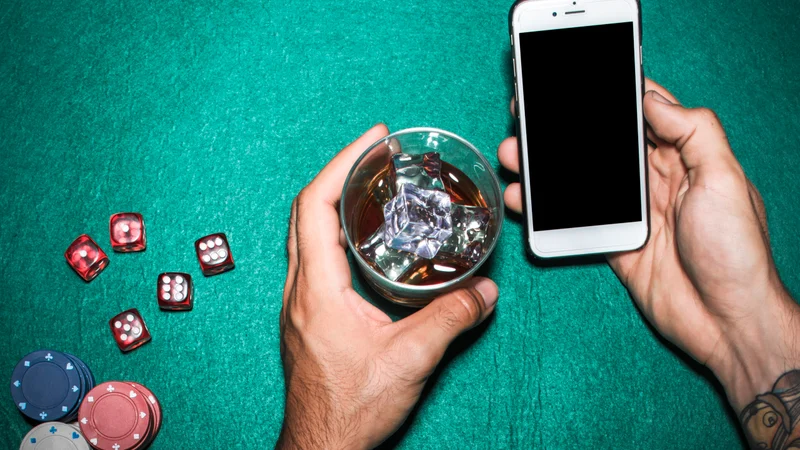
Smartphones have quietly reshaped live poker: players check blinds, scores and accounts during breaks, and mobile layouts are built for quick, one-handed checks.
The Phone at the Table
Walk through any live poker room and you will see the same scene. Between hands, players glance at their phones. Sometimes it is the tournament clock. Sometimes it is a message. Often it is a football score or a quick look at another game. The phone has slipped into live poker almost unnoticed, and it now sits alongside chips and cards as standard table equipment.
The reasons are practical. A live tournament runs for hours, and most of that time is spent folding. A player who folds twenty hands in a row has plenty of idle minutes. The phone fills them.
What Happens During a Break
A tournament break can disappear quickly. Fifteen minutes sounds generous until it is split between a drink, a blinds check and one quick look at something else. Many players use that window to handle everything that does not involve cards.
Typical break activity includes:
- Checking the next blind increase and the average stack
- Following a live football score or another match
- Opening account or payment information
- Replying to messages that arrived during the previous level
None of this needs a long session. Most checks are finished before the dealer starts the next hand. That speed is the point. The phone is used in short bursts, not long sittings.
Some players use browser versions of gambling sites for these checks. Some Android users install an app directly instead, which avoids opening a browser every time. Either way, the pattern is the same: a quick, focused task completed inside a break clock.
Why Mobile Casino Pages Look Different
Laptop layouts can afford sidebars, extra panels and larger menus. A phone screen gives designers far less space, so the priorities change. Balance, account access and game navigation usually need to stay near the top, where a thumb can reach them. Extra settings can sit deeper in the menu because they are opened less often.
This becomes obvious during tournament play. Nobody wants to search through several screens while a break clock is running. A layout that puts the most-used items first is not a design preference in this context. It is a usability requirement.
Poker Does Not Happen in Isolation
A six-hour tournament leaves plenty of time for other things. One player may keep a football match open during dinner. Another may check a casino section after leaving the table. During a long poker session, several different activities can end up being handled from the same account.
That is where consolidation matters. When scores, account checks and other activity sit in one place, a player avoids a separate login or a device change. For anyone grinding a multi-day series, that small saving adds up over dozens of breaks.
A Few Settings Worth Checking
Phones used around poker tables often hold more than messages and scores. Banking apps, card details and a poker account can all end up on one handset. That makes missed updates an unnecessary risk.
The FTC recommends keeping phone software up to date, including the apps installed on it. Security guidance from CISA also covers sideloading and Google Play Protect. For players who install apps outside an official store, it is sensible to check who provides the file and which parts of the phone the app wants to access.
These are basic habits, not advanced security work. They take a few minutes and reduce the chance that a phone becomes the weakest link in a player's routine.
What the Phone Actually Does
For most poker players, the phone is not a replacement for the table. It handles the bits around the game: scores, messages, account checks and whatever happens during the next break. The cards still decide the result.
What has changed is the rhythm of a live session. Breaks are now busier, and the space between hands is filled with small tasks that used to wait until the end of the day. Understanding that rhythm helps explain why mobile layouts, quick logins and short check-ins have become part of the modern poker experience.
FAQ
Do poker players really use their phones that much during tournaments?
During long tournaments, players fold most hands, so there is a lot of idle time between deals. Short phone checks during those gaps and during official breaks are common. Most checks are brief and finish before the next hand begins.
Why do mobile casino and betting pages look simpler than desktop versions?
Phone screens offer far less space than laptops. Designers usually keep balance, account access and main navigation near the top, and push less-used settings deeper into menus. This makes quick checks faster during a short break.
What security steps matter for a phone used at the poker table?
Keep the phone's software and installed apps updated, as the FTC recommends. If you install apps outside an official store, check the source of the file and the permissions the app requests. CISA guidance on sideloading and Google Play Protect is a useful reference.
FAQ
- During long tournaments, players fold most hands, so there is a lot of idle time between deals. Short phone checks during those gaps and during official breaks are common, and most finish before the next hand begins.