Macau Gambler Accused of Kicking Slot
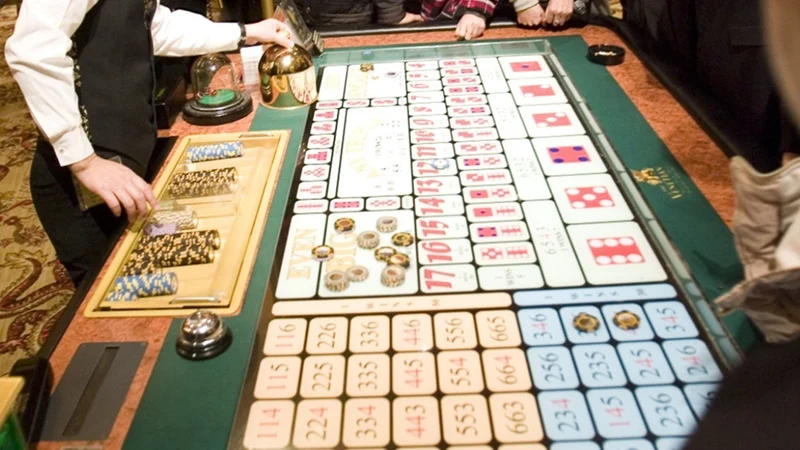
A gambler in Macau is accused of kicking a casino machine in an attempt to erase losing bets, according to a report. The case highlights how casinos track play and disputes.
Macau Gambler Accused of Kicking Casino Machine
A gambler in Macau has been accused of kicking a casino machine in an apparent attempt to erase losing bets, according to a report from Casino.org. The incident points to a recurring theme in casino operations: what happens when a player disputes the record of their play, and how venues respond when equipment is damaged.
Macau is the world's largest gambling market by revenue and is the only place in China where casino gambling is legal. Its floors are monitored continuously, and electronic gaming machines record every wager, outcome, and credit transaction. That record is central to how operators and regulators resolve disputes.
Why Machine Records Matter
On modern slot machines and electronic table game terminals, each spin or hand is logged by the machine's internal software. The data typically includes the amount wagered, the result, and any credits added or removed. When a player claims that a loss should not stand, or that a machine malfunctioned, investigators generally begin with that electronic record rather than eyewitness accounts.
Because of this, attempts to physically interfere with a machine are usually ineffective as a way to change the recorded outcome. Damage to a machine can, however, create separate problems for the person involved, including potential liability for repair costs and possible criminal exposure depending on local law.
Disputes and Surveillance
Casino floors in Macau operate under heavy camera coverage. Surveillance teams monitor tables, machines, cages, and entrances, and footage is routinely retained for review. When an incident is reported, security and surveillance staff can typically reconstruct what happened by combining video with machine data.
For players, the practical lesson is that disputes are handled through official channels. If a player believes a machine has malfunctioned or that a wager was recorded incorrectly, the standard route is to contact casino staff immediately and request a review. Walking away from a machine, or interfering with it, generally makes a resolution harder rather than easier.
What Is Not Known
The report does not specify the amount involved, the outcome of any investigation, or whether charges have been filed. Those details are not confirmed here. What is clear is the general framework: casinos rely on electronic records and surveillance, and physical altercations with gaming equipment tend to be treated as security and legal matters rather than as a way to reverse a bet.
Broader Context
Incidents involving frustrated players and casino equipment are not unique to Macau. Casinos worldwide deal with disputes over machine malfunctions, payout errors, and player conduct. In most jurisdictions, the machine's record and the surveillance footage are the primary evidence, and regulators may also review the case if a formal complaint is made.
For the industry, such episodes are a reminder that clear procedures for handling disputes matter. For players, they are a reminder that the record of play is not something a player can change after the fact, and that the correct response to a suspected error is to stop play and ask for assistance.
FAQ
What is the gambler accused of doing in Macau?
A gambler in Macau is accused of kicking a casino machine in an attempt to erase losing bets, according to a report.
Can kicking a slot machine erase bets?
Generally, no. Electronic gaming machines log wagers and results internally, and casinos also use surveillance footage, so physical interference does not usually change the recorded play.
What should a player do if they believe a machine is wrong?
Stop playing and contact casino staff to request a review. Disputes are typically resolved using machine records and surveillance rather than physical action.
FAQ
- A gambler in Macau is accused of kicking a casino machine in an attempt to erase losing bets, according to a report.