Phil Hellmuth Denied 18th Bracelet in
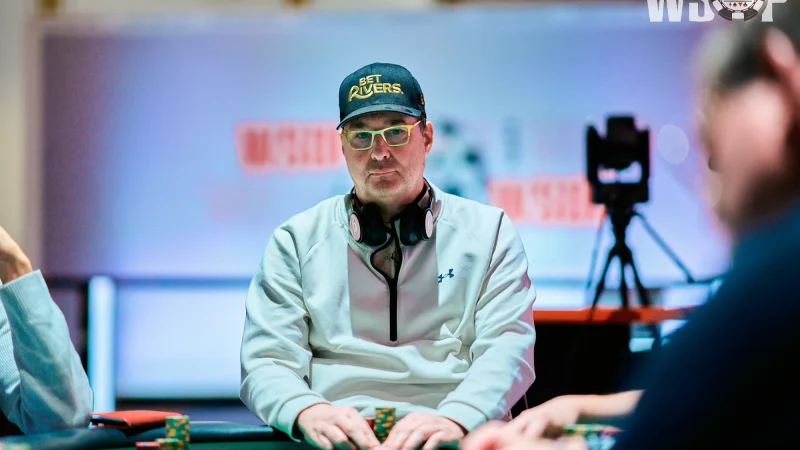
Phil Hellmuth came up short in a WSOP heads-up battle, surrendering the lead late and missing out on what would have been his 18th career bracelet.
Phil Hellmuth's pursuit of an 18th World Series of Poker bracelet ended in disappointment, as he lost a heads-up match after seeing his advantage slip away in the closing stages.
The result leaves Hellmuth, widely regarded as one of the most decorated players in WSOP history, still searching for the bracelet that would extend his record tally. He entered the heads-up phase in a strong position, but the match turned late, and the title went to his opponent.
Why the Heads-Up Format Is So Volatile
Heads-up play is the most swing-heavy stage of any poker tournament. With only two players remaining, every pot is contested between the same two stacks, and the blinds and antes keep pressure on both sides. A single double-up can flip the chip dynamic entirely, which is why leads built over hours of play can evaporate in a handful of hands.
Key factors that decide heads-up matches include:
- Stack depth relative to the blinds, which dictates how much post-flop play is available
- Position, since the button acts last pre-flop and first post-flop in most structures
- Aggression frequency, as passive play allows an opponent to chip away steadily
- ICM considerations when pay jumps are significant, which can make some players reluctant to take marginal spots
In a typical heads-up situation, the player with the larger stack can apply relentless pressure by raising frequently, forcing the shorter stack to either fold away chips or commit with a narrower range. When the shorter stack finds a double-up, the momentum often shifts sharply.
What This Means for Hellmuth's Legacy
Hellmuth's bracelet count remains the benchmark in the modern game, and deep runs at the WSOP continue to add to his resume even when they do not end in victory. Reaching heads-up play in a bracelet event is itself a significant result, requiring a player to outlast large fields and navigate high-pressure situations against experienced opponents.
For players studying tournament poker, Hellmuth's career illustrates the value of adjusting strategy by format. His results span a wide range of disciplines, and his heads-up appearances reflect an ability to adapt to short-handed and heads-up conditions where hand ranges widen considerably compared with full-ring play.
Lessons for Aspiring Tournament Players
Situations like this highlight several practical points for anyone grinding tournaments:
- Closing out a heads-up match requires a shift in strategy, not just maintenance of earlier play
- Chip leads are not guarantees; they are leverage that must be used before blinds erode the advantage
- Variance at the final table is extreme, and even elite players lose heads-up matches regularly
- Reviewing late-stage hands, particularly those played with shallow stacks, is one of the fastest ways to improve
Hellmuth's near miss is a reminder that in tournament poker, the difference between a bracelet and a runner-up finish can come down to a few decisive hands. The result adds another deep run to his WSOP record, while leaving the 18th bracelet as an open target for a future series.
FAQ
- Hellmuth holds the record for the most WSOP bracelets, and this result left him still seeking what would have been his 18th.