Poker Operators Stay in Brazil Despite
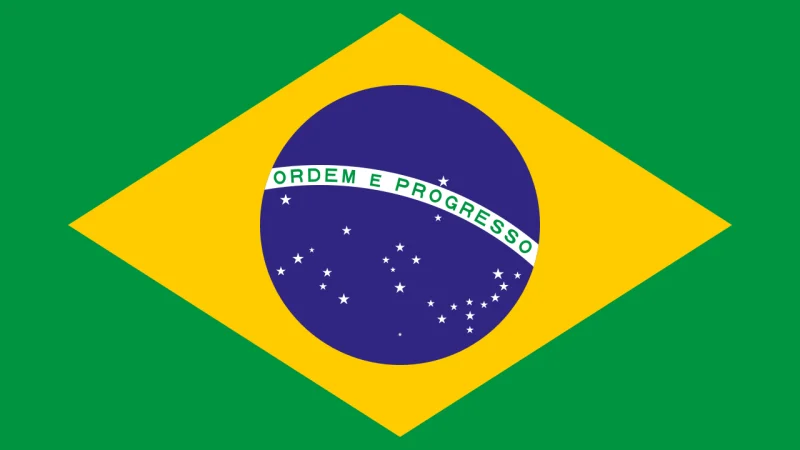
Online poker operators appear to be treating poker as exempt from Brazil's recent gambling ban, keeping their services available in the market.
Operators Remain Active in Brazil
Online poker operators appear to be treating poker as exempt from Brazil's recent gambling ban, continuing to offer their services in the market rather than withdrawing. The position rests on a distinction that has long mattered to the game's legal standing in several jurisdictions: poker is widely presented as a game of skill rather than a game of chance.
That distinction is not a marketing slogan. It is the core of how the poker industry has argued for separate treatment from casino table games, slots, and sports betting in regulated markets around the world. Where regulators accept a skill-based classification, poker typically falls under a different licensing category, or in some cases under no gambling-specific licensing requirement at all.
Why the Skill Argument Matters
Gambling law generally targets games where outcomes are determined predominantly by chance. Poker involves dealt cards, which are random, but the money moves based on decisions made across many hands. Over a large sample, player choice — bet sizing, position, range construction, bluff frequency — has a measurable effect on results. That is the argument operators lean on when a broad gambling prohibition is introduced.
Whether a given regulator accepts that argument is a separate question. Classification varies by country and often by the specific wording of the statute. Some jurisdictions explicitly name poker inside their gambling definitions. Others leave it to courts or licensing bodies to decide. Brazil's recent ban, as reported, has not been treated by operators as covering poker, and they have acted accordingly.
What This Means in Practice
For players in Brazil, the practical effect is that poker rooms have not announced withdrawals in the way some other gambling verticals might. Operators that also run casino or sportsbook products face a more complicated compliance picture, since those products are more directly captured by a gambling ban. Poker, positioned separately, gives them a reason to keep at least part of their offering live.
This is a familiar pattern. When a market restricts gambling broadly, poker operators tend to wait for clarity rather than exit immediately. Exiting costs player liquidity, brand presence, and market share that is expensive to rebuild. Staying, even under legal uncertainty, is often the cheaper option — at least until a regulator issues an explicit ruling or an enforcement action lands.
The Risk of Assuming Exemption
Assuming poker is exempt is not the same as being exempt. Operators that continue serving a market under a ban take on regulatory risk. If authorities later determine that poker falls within the prohibition, the consequences can include fines, payment-processing blocks, or forced withdrawal. In several markets, the sequence has been: operators stay, a regulator clarifies, and some are then required to leave.
Players should also understand that legal status and safety of funds are different issues. A site remaining accessible does not by itself confirm that the operator has a valid local license or that player balances are protected under local law. Those are separate questions that depend on the operator's licensing arrangements and the jurisdiction it operates under.
What to Watch
Three things will determine how this plays out. First, whether Brazilian authorities issue a specific statement or rule on poker's status. Second, whether payment providers treat poker transactions as prohibited gambling. Third, whether individual operators begin quietly restricting sign-ups or withdrawals from Brazilian players, which is often the first sign of a change in legal posture.
Until one of those signals appears, the current situation is best described as operators holding their position. The industry's long-standing view is that poker is a skill game and should be regulated separately from chance-based gambling. Whether that view holds in Brazil depends on how the ban is written and enforced, not on how operators choose to interpret it.
FAQ
- They appear to treat poker as a skill-based game rather than chance-based gambling, and therefore outside the scope of the ban. This is a long-standing industry position, but it depends on how the ban is written and enforced.