PokerStars Opens Network to Outside
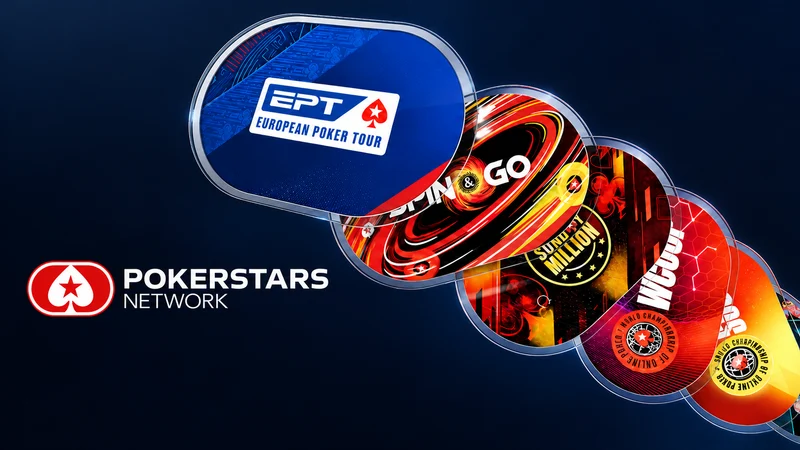
PokerStars is opening its platform, shared liquidity and poker products to external operators, turning the standalone room into a global B2B poker network.
PokerStars is making one of the most significant changes in its roughly 25-year history. The company is opening its poker platform to external operators, allowing other gaming brands to access PokerStars technology, products and player liquidity.
The newly launched PokerStars Network is no longer intended only to connect brands owned by parent company Flutter Entertainment. Independent operators will also be able to join the ecosystem, potentially retain their existing identity and place their players into the same network as PokerStars customers.
The strategy moves PokerStars closer to the established B2B model used by networks such as Playtech's iPoker, but with the software, liquidity and global brand recognition of one of online poker's biggest names.
From Poker Room to Global Network
PokerStars has historically operated primarily as a standalone consumer brand. Its software, tournament schedule and player pool were closely connected to the PokerStars name, rather than distributed across numerous independently branded poker rooms. That distinction is now disappearing.
The company says prospective partners can access its poker platform, centrally managed liquidity, tournament engine, operational expertise and game-integrity systems. Integrations can be adapted to different markets, allowing an operator to combine PokerStars products with its own branding or use a broader white-label solution.
Depending on the agreement, partners may also gain access to some of poker's most recognizable products, including Spin & Go tournaments, the Sunday Million and qualification routes connected to the European Poker Tour and PokerStars Open.
For operators, this removes one of the biggest barriers to entering online poker. Instead of developing expensive software, building an independent player pool and managing a full tournament ecosystem, a company can connect to an established network.
Independent Brands Could Share PokerStars Liquidity
The most important part of the new model is shared liquidity. Players registering through a partner operator could find themselves competing at the same cash-game tables and in the same tournaments as PokerStars customers. Every additional brand could therefore contribute players to the wider ecosystem.
Poker relies on liquidity more heavily than most other forms of online gaming. A larger player pool generally means shorter waiting times, more active cash tables, a wider selection of stakes and larger tournament fields. It can also make it easier for operators to offer substantial guarantees without carrying the entire financial risk alone.
PokerStars has not yet announced the first independent company joining the network. The eventual impact will therefore depend on which operators sign agreements and in which regulated markets they launch.
Flutter Has Already Started Consolidating Its Poker Brands
The external B2B launch follows a wider consolidation of Flutter Entertainment's poker operations. Betfair has already moved onto the PokerStars Network, while Paddy Power and Sky Poker are expected to follow. These brands were previously connected to the competing iPoker Network.
PokerStars has also been incorporated into FanDuel's North American strategy, while Flutter-owned brands in Italy have provided an early demonstration of how the new structure can work. Sisal retained its own customer-facing brand after moving its poker operation onto the PokerStars Italian network.
According to figures reported by Pokerfuse, Sisal subsequently increased its poker revenue by more than 50%, while the combined network regularly controlled over 55% of Italy's online poker market. SNAI has since joined the same ecosystem.
The Italian example is particularly important because it shows that a partner does not necessarily have to become another PokerStars-branded skin. A recognized local operator can maintain its identity while relying on PokerStars for software, liquidity and poker products.
A New Competitor to iPoker and GGPoker
Multi-brand networks are not new to online poker. Playtech's iPoker has spent years supplying software and shared liquidity to betting and casino operators, while GGPoker has established partnerships with brands such as Danske Spil, OlyBet and PokerArabia in selected markets.
PokerStars traditionally followed a different path, building almost everything around its own consumer brand. Opening the platform to outside companies puts it into more direct competition with these B2B suppliers.
The PokerStars proposition, however, extends beyond software. Partners are being offered access to a complete poker ecosystem encompassing tournaments, live events, content, marketing knowledge, player protection and fraud prevention. This could be particularly attractive in regulated markets where established sportsbook or casino operators want to add poker without creating an isolated room with insufficient traffic.
No Independent Partner Announced Yet
PokerStars is presenting the new network to prospective partners, but no independent third-party operator has yet been confirmed. That makes the announcement the beginning of a strategy rather than a completed transformation.
The decisive questions will be which brands join, whether PokerStars can attract companies currently operating on competing networks and how the network will be divided across regulated markets.
Even so, the direction is clear. PokerStars no longer wants to grow only by bringing players directly to PokerStars. It also wants other operators to build their poker products on the same platform. After roughly 25 years as one of online poker's dominant standalone rooms, PokerStars is positioning itself as the technological and liquidity backbone for a much broader global network.
FAQ
- It is a B2B poker network that lets external operators use PokerStars technology, products and shared player liquidity, either under their own branding or through a white-label solution.