PokerStars Power Path 2026 Complete Player Guide
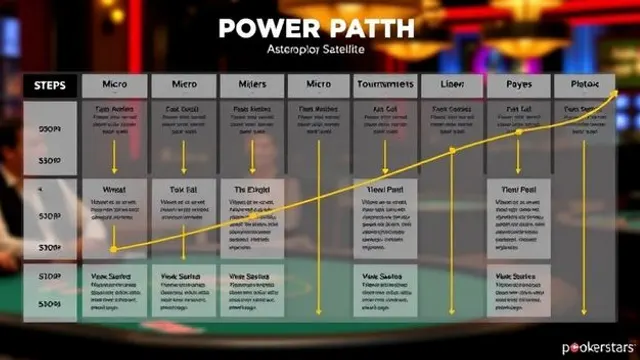
PokerStars Power Path is a step-by-step satellite system that allows players to win seats to major events with low buy-ins. This article explains its mechanics, possible updates in 2026, and key strategies.
PokerStars Power Path is an innovative satellite system introduced by PokerStars, designed to give players the opportunity to access high-stakes tournaments at a low cost. Through a multi-tier structure, players can gradually move up from micro buy-ins to eventually win seats in top-tier events such as EPT, WCOOP, and more.
How the Power Path Works
The Power Path is typically divided into several levels:
- Step 1: Lowest buy-in (e.g., $0.50 or $1). Players compete in fast-paced tournaments, with the top finishers advancing to the next level.
- Step 2: Slightly higher buy-in (e.g., $5). The elimination format continues, and winners move to Step 3.
- Step 3: Higher buy-in (e.g., $25). Ultimately produces tickets to Step 4.
- Step 4: Directly receive a ticket to the target event (e.g., a $530 Main Event ticket) or a cash prize.
The prize structure at each step typically awards first place a ticket to the next level, while second place may receive partial rewards or a re-entry opportunity. This design allows players to try multiple times, leveraging small investments for large rewards.
Possible Updates in 2026
Based on industry trends, the Power Path may see the following changes in 2026:
- More flexible buy-in options: More tiers added, allowing players to choose paths with different risk levels.
- Integration with live events: Possible addition of satellite paths for live series, such as EPT Paris or Barcelona.
- Enhanced rewards: Beyond event tickets, may include cash bonuses or PokerStars Points.
- Mobile optimization: Improved mobile app experience for easier participation.
These updates have not been officially confirmed, but PokerStars typically adjusts the system based on player feedback and market conditions.
Strategy Tips
When participating in the Power Path, players should keep the following strategies in mind:
- Early steps: In Step 1 and Step 2, due to the wide range of player skill levels, adopt a tight-aggressive strategy, wait for strong hands, and exploit opponents' mistakes.
- Later steps: In Step 3 and Step 4, opponents are stronger. Adjust your strategy and pay attention to ICM pressure, avoiding risky plays near the bubble.
- Bankroll management: Although the Power Path has low costs, repeated attempts can add up. Set a budget and avoid chasing losses.
- Study the structure: Understand the blind structure, number of qualifiers, and prize distribution for each step, and tailor your play accordingly.
Frequently Asked Questions
Can Power Path tickets be transferred?
Generally, tickets won through the Power Path are tied to the player's account and cannot be transferred. However, some special promotions may allow transfers, so check the specific terms.
Can I exchange my Power Path winnings for cash?
At certain steps, players may choose a cash prize instead of a ticket, but the cash amount is usually less than the ticket value. It is generally recommended to take the ticket for greater value.
Is the Power Path suitable for players of all skill levels?
Yes, but due to the tiered nature, the low buy-in stages are good for beginners to practice, while higher stages require more advanced skills. Players should choose a starting point that matches their ability.
The Power Path is an excellent tool designed by PokerStars to increase player participation. With proper planning, players can experience large tournaments with a limited investment. For more details, refer to the PokerStars official page or related guides.
FAQ
- Typically, tournament tickets obtained via Power Path are bound to the player's account and cannot be transferred. However, some special events may allow transfers; please check the specific terms.