Problem Gambling Awareness Month: Industry Urges Responsible Play
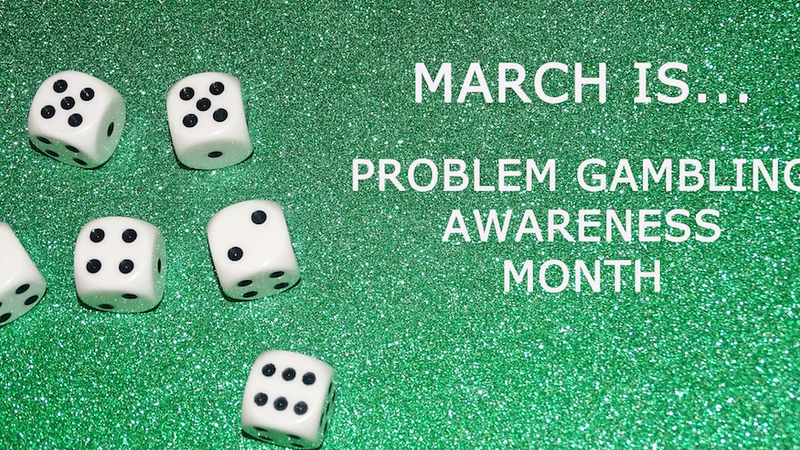
March is Problem Gambling Awareness Month. Operators and poker platforms remind players to play responsibly, offering tools and support for those at risk.
March marks Problem Gambling Awareness Month, a time when the gambling industry, including poker operators, intensifies efforts to promote responsible gaming. While poker is widely recognized as a game of skill, players can still fall into the trap of problem gambling, which is why operators are stepping up their messaging and resources.
The Importance of Responsible Gaming
Responsible gaming refers to a set of practices and policies designed to help players gamble within their means and avoid harm. For poker players, this means setting limits on time and money spent, recognizing the signs of problem gambling, and knowing where to seek help.
Industry operators use this month to remind players that poker, despite its skill component, carries risks. The thrill of winning, the desire to recover losses, and the ease of online access can all contribute to problematic behavior.
Tools and Resources for Players
Many online poker rooms and casinos offer responsible gaming tools, such as:
- Deposit limits: Players can set a maximum amount they can deposit over a certain period.
- Time limits: Alerts or restrictions on session length to prevent marathon play.
- Self-exclusion: Options to block access to accounts for a chosen period, or even permanently.
- Reality checks: Pop-up reminders that show how long a player has been logged in and how much they have won or lost.
These tools are typically available in the player account settings. Operators also provide links to helplines and support organizations, such as the National Council on Problem Gambling in the US, which offers a confidential helpline.
Recognizing the Signs of Problem Gambling
Problem gambling can affect anyone, regardless of skill level. Common signs include:
- Spending more money or time than intended.
- Chasing losses, i.e., trying to win back lost money immediately.
- Lying to family or friends about gambling habits.
- Neglecting work, school, or personal responsibilities.
- Borrowing money or selling possessions to gamble.
If you or someone you know exhibits these signs, it may be time to seek help. Many organizations offer free, confidential support, including counseling and financial advice.
Industry Initiatives During March
Throughout March, operators run awareness campaigns, share educational content, and sometimes offer special promotions that encourage healthy play. For example, some platforms send emails or in-app messages with tips for staying in control. Others partner with advocacy groups to host webinars or Q&A sessions.
These initiatives aim to reduce the stigma around problem gambling and make it easier for players to ask for help. The industry recognizes that a sustainable poker ecosystem depends on players who enjoy the game responsibly.
A Shared Responsibility
While operators provide tools and information, responsible gaming is ultimately a shared responsibility. Players must be honest with themselves about their habits and use the available resources. Friends and family can also play a role by noticing changes in behavior and offering support.
Poker is a game of skill, strategy, and psychology, but it should always be played for fun, not as a way to escape problems or make money. This March, the industry's message is clear: play responsibly, know your limits, and reach out if you need help.
If you or someone you know is struggling with problem gambling, help is available. In the US, call the National Problem Gambling Helpline at 1-800-522-4700. Similar services exist in many other countries.
FAQ
- It is an annual campaign held in March to raise awareness about problem gambling, promote responsible gaming, and connect people with support services.