2026 Complete Guide to Top White-Label
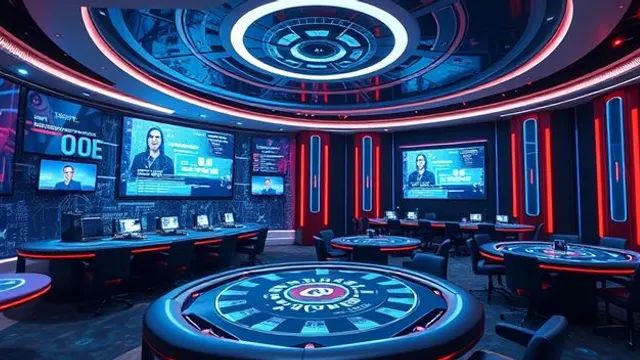
This article provides a comprehensive analysis of the 2026 white-label poker software market, introducing key factors for evaluating suppliers, including technical architecture, compliance, game features, payment integration, and customer support, helping entrepreneurs choose the right partner to quickly enter the online poker industry.
Introduction
As the online poker market continues to grow, white-label poker software has become an ideal choice for startups and traditional casino operators looking to enter the space quickly. In 2026, suppliers are competing fiercely in technology, compliance, and user experience, making it crucial to choose the right partner. This article provides an industry perspective on the key considerations when selecting a white-label supplier, along with market trend analysis, without ranking specific brands.
What is White-Label Poker Software?
White-label poker software refers to a fully brandable online poker platform solution provided by a third-party developer. Operators do not need to build from scratch; they can quickly launch by customizing the interface, payment systems, and operational rules. Typical features include:
- Multiple poker variants (Texas Hold'em, Omaha, etc.)
- Cash games and tournaments
- Multi-language and multi-currency support
- Back-office management system
Key Factors for Choosing a White-Label Supplier in 2026
Technical Architecture and Scalability
- The platform should support high concurrency of players, ensuring a lag-free experience.
- Provide API interfaces to integrate third-party tools (e.g., anti-cheat systems, data analytics).
- Mobile-first: In 2026, over 70% of players participate via mobile devices.
Compliance and Licensing
- Suppliers must hold or assist in obtaining legal operating licenses (e.g., Malta, Gibraltar, Curacao, etc.).
- Must comply with data protection regulations such as GDPR and provide responsible gambling tools.
Game Features and Innovation
- The core game engine should offer certified Random Number Generation (RNG).
- Innovative features such as fast fold, multi-table play, bubble protection, and social interaction features (emoticons, chat system).
- Support for custom tournament structures (e.g., freerolls, satellites, bounty tournaments).
Payments and Anti-Fraud
- Support multiple payment gateways (credit cards, e-wallets, cryptocurrencies).
- Built-in Anti-Money Laundering (AML) and anti-fraud systems to identify abnormal betting behavior.
- Real-time settlement and automated withdrawal processes.
Customer Support and Localization
- Provide multi-language 24/7 technical support, including live chat and ticketing systems.
- Localized content: Adjust interface text, currency symbols, and game rules according to the target market.
Market Trends and Future Outlook
The white-label poker software market in 2026 shows the following trends:
- Cryptocurrency Integration: Bitcoin, Ethereum, etc., have become mainstream payment methods, with some suppliers launching proprietary tokens.
- Artificial Intelligence Applications: AI is used for player behavior analysis, personalized recommendations, and automated customer service.
- Cross-Platform Social Features: Integration with social networks allows players to invite friends and share achievements.
- Increasing Compliance Pressure: Regulatory oversight is strengthening across countries, requiring suppliers to adapt to multiple jurisdictions.
Summary
Choosing a white-label poker software supplier requires a comprehensive evaluation of technical capabilities, compliance background, and business support. It is recommended that operators conduct stress tests during the trial phase and review existing client case studies. In 2026, suppliers capable of delivering an omnichannel experience and rapid iteration will hold the advantage.
FAQ
- Suitable for startups lacking technical development capabilities but wanting to quickly enter the online poker market, traditional casino operators transitioning, and gaming companies looking to expand digital business. Usually requires minimal customisation work and can go live within weeks.