Can the WPT Revive the Struggling LAPC
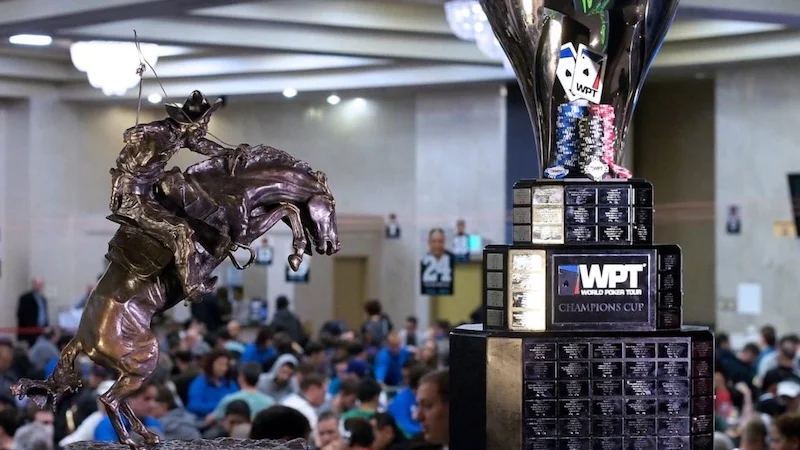
The LAPC Main Event, once a major stop on the poker calendar, drew only about 50 entries. The World Poker Tour's involvement raises questions about its future.
A Once-Major Event Now Struggling
The Los Angeles Poker Classic, long known as the LAPC, was once a staple major event on the international poker stage. Its Main Event attracted fields that made it a fixture on the tournament calendar and a recognizable stop for players who followed the live circuit.
That standing has clearly eroded. The most recent LAPC Main Event drew just 50 entries, a figure that underscores how far the event has fallen from its peak. A field of that size is small for a tournament that once carried major-event status, and it raises the obvious question of whether the event can be rebuilt.
Why Field Sizes Matter
In tournament poker, field size is not just a vanity metric. It directly shapes the player experience and the economics of an event.
- Prize pools: A smaller field means a smaller prize pool, which reduces the incentive for strong players to travel and buy in.
- Prestige: Major events derive much of their status from the quality and depth of the field. A 50-entry field does not carry the same weight as a field of hundreds.
- Player experience: Larger fields create more table action, more re-entry and satellite activity, and a livelier atmosphere around the venue.
- Sponsor and broadcast value: Tours and venues build their coverage around events with meaningful participation. Thin fields are harder to present as marquee content.
When an event loses entries, these factors can reinforce each other. Fewer players means less prize money, which means fewer players, and so on. Reversing that cycle usually requires a structural change rather than a marketing tweak.
What the World Poker Tour Brings
The World Poker Tour is one of the most established brands in live tournament poker, with a long history of televised and streamed events and a global schedule. Its involvement in an event typically brings several things:
- Brand recognition: The WPT name signals a certain level of organization and coverage.
- Player trust: Players generally know what to expect from a WPT-affiliated event in terms of structure and administration.
- Media and content: Tour events tend to receive more coverage than standalone regional tournaments.
- Scheduling synergy: A tour stop can be positioned alongside other events to create a broader festival.
Whether those advantages are enough to restore the LAPC Main Event to its former size is an open question. A recognizable brand can help attract players, but it cannot by itself guarantee a large field if the underlying conditions — location, timing, buy-in level, and competing events — are not favorable.
The Broader Context for Live Poker
The LAPC's decline is not necessarily an isolated story. Live tournament poker has become increasingly competitive, with a crowded calendar of events across multiple tours and regions. Players with limited time and bankrolls must choose between overlapping stops, and established festivals in major markets often win that competition.
At the same time, the economics of live poker have shifted. Travel costs, hotel expenses, and the opportunity cost of time all factor into a player's decision. An event must offer a compelling reason to attend, whether that is a large guaranteed prize pool, a prestigious title, or a location that players want to visit.
For the LAPC, the challenge is to identify what made it attractive in the past and whether those elements can be recreated in today's environment. That may involve changes to scheduling, structure, or partnerships.
What to Watch
The key question is whether the World Poker Tour's involvement marks a genuine attempt to rebuild the LAPC Main Event or a short-term arrangement. Indicators to watch include:
- Whether the event is positioned as part of a larger festival with multiple tournaments.
- Whether the buy-in and structure are adjusted to appeal to a wider player base.
- Whether satellites and qualifiers are offered to lower the cost of entry.
- Whether the event receives meaningful media and streaming coverage.
None of these guarantees a turnaround. Tournament fields are ultimately determined by players' choices, and those choices depend on factors that no single tour can fully control.
A Test Case for Tour Partnerships
The LAPC Main Event's situation is a useful test case for how much a major tour brand can do for a struggling event. If the World Poker Tour can help restore the field, it would demonstrate the value of tour affiliation for regional tournaments. If it cannot, the lesson may be that brand alone is not enough when the fundamentals of an event no longer fit the market.
For now, the event's future depends on whether the combination of a recognized tour and a historic venue can convince players that the LAPC is worth their time and money again.
FAQ
- The Los Angeles Poker Classic Main Event is a long-running live poker tournament that was once considered a major stop on the international poker calendar. Its recent edition drew only about 50 entries.