WSOP 2026: Daniel Aharoni Dominates Big
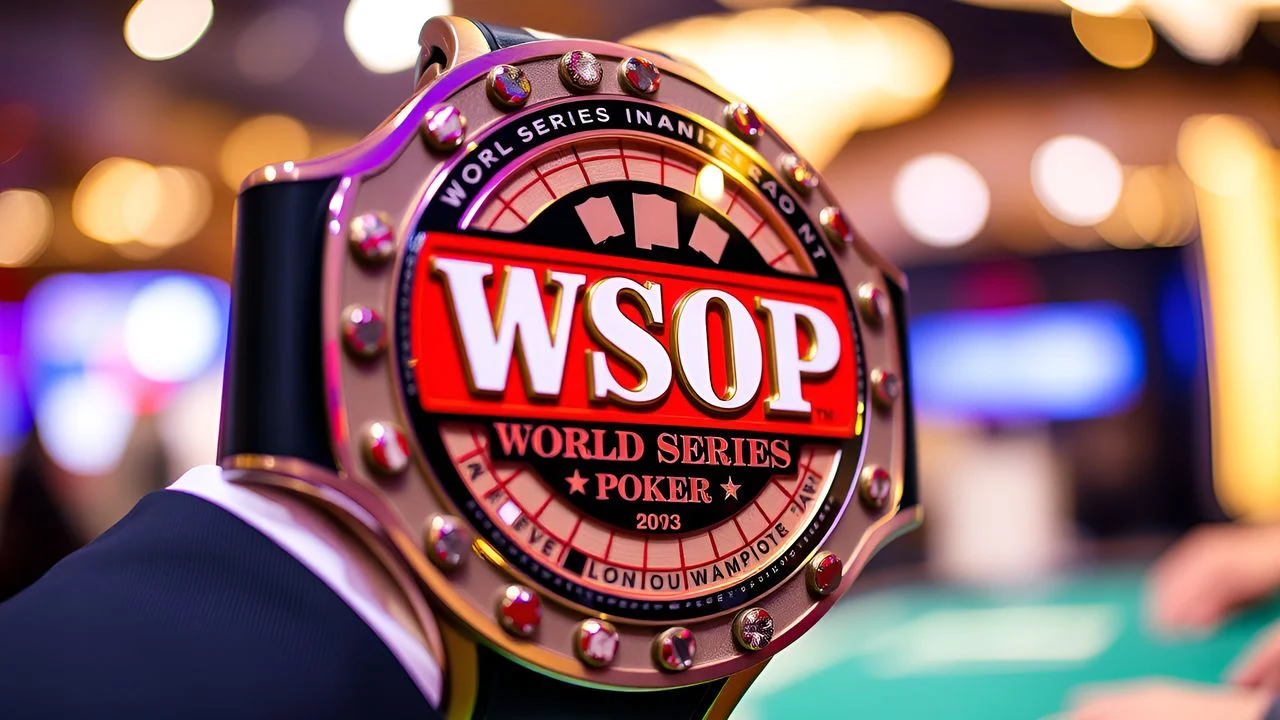
In WSOP 2026 Event 42 Big O Championship, Daniel Aharoni performed excellently, ultimately winning and earning his first WSOP gold bracelet. The tournament attracted many top players, and Aharoni led all the way with his superb skills and consistent play.
Event Overview
The 2026 WSOP Event #42: Big O Championship (Pot Limit Omaha Hi-Lo) concluded recently, with Israeli player Daniel Aharoni emerging victorious from a strong field, taking home the championship trophy and earning his first career WSOP gold bracelet.
Tournament Action
Big O (also known as Five Card Omaha Hi-Lo) is a fun variant added to the WSOP in recent years, combining Omaha hi-lo rules with five hole cards, increasing the game's complexity and entertainment. This year's event attracted hundreds of entrants. After multiple days of intense play, Aharoni defeated his opponent in heads-up action to secure the win.
In his post-match interview, Aharoni said: "This is the most exciting moment of my poker career. Big O is a game type I really enjoy, and to win here and put on the bracelet feels incredible."
Player Background
Daniel Aharoni is a professional poker player from Israel who had previously cashed in several major tournaments but had never won a bracelet. This victory not only gives him his first career bracelet but also elevates his international poker reputation.
Significance of the Event
The WSOP annually features multiple Omaha variant events, and the Big O Championship is particularly popular among players due to its unique rules. The successful staging of this event once again demonstrates its influence in the poker community.
Note: Image is for illustration purposes only and does not represent the actual tournament.
Looking Ahead
As the WSOP 2026 schedule progresses, many more exciting events are yet to come. Aharoni's victory will undoubtedly inject extra motivation into upcoming competitors.
FAQ
- Big O is a pot-limit Omaha high-low variant where each player receives five hole cards and must use two of them with three community cards to form the best high and low hands. Compared to regular Omaha, the increased number of hole cards leads to more variations in play.