Stop Fearing the Turn Card After a Flop
A flop bet narrows your opponent's range, so most turn cards are less scary than they look. Learn how to discount the turn instead of assuming the worst.
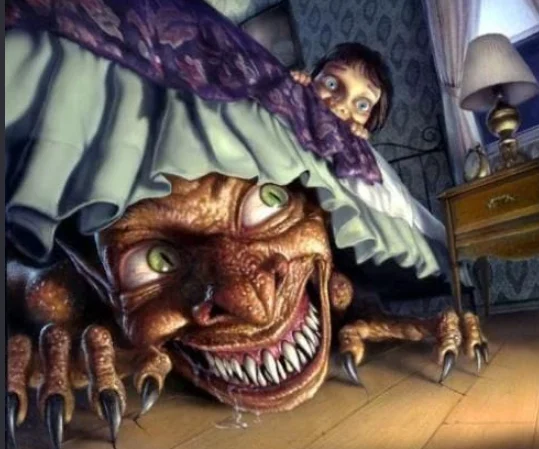
Many players treat the turn like a trapdoor. The flop bet goes in, a card peels off, and suddenly every possible draw or two pair feels like it just landed in your opponent's hand. This habit of seeing monsters under the bed leads to weak, exploitable play: giving free cards, folding the best hand, and surrendering pots you were winning.
The core idea is simple. When you bet the flop, you put pressure on your opponent's range. Hands that cannot continue tend to fold, and hands that continue are usually a narrower, more defined set. That narrowing matters on the turn, because it tells you which cards actually help the hands still in the pot.
Why a Flop Bet Changes the Turn
A flop bet is not just a value extraction tool. It is also an information filter. By betting, you force your opponent to either continue with a hand that has some equity or give up. The hands that remain are typically draws, made hands, and occasional floats or bluffs.
Because that range is narrower, you can discount a large portion of the deck on the turn. Cards that complete unlikely draws, or that would only help hands your opponent probably folded, are far less dangerous than they feel in the moment.
A Typical Example
Suppose you bet a dry, disconnected flop and your opponent calls. On a turn card that looks scary but connects with very few hands in a reasonable calling range, your fear is often misplaced. The card may look dramatic, but the math of the range says most of the time it did not improve your opponent.
This is a general principle, not a guarantee. Opponents do sometimes have the hand you fear. The point is that assuming they always do is a costly error.
The Cost of Assuming the Worst
When you assume every turn card hit your opponent, you make predictable mistakes:
- You check back turns you should bet, giving free cards to draws.
- You fold to bets when your hand is still ahead of much of the range.
- You become easy to bluff, because disciplined opponents notice you surrender too often.
- You miss value from worse hands that would have called another bet.
Over time, these small surrenders add up. The player who fears the turn is the player who gets run over.
How to Think About the Turn Instead
A better approach is to ask a concrete question: which hands in my opponent's range actually improved on this card? If the answer is a small slice of that range, the turn is not as frightening as it looks.
Consider the texture of the board, the action so far, and the hands that could realistically still be in the pot. If a card completes only a narrow set of draws, you can usually continue betting with confidence. If it completes many plausible hands, caution is warranted.
Balance Fear With Range Logic
Fear is not useless. It is a signal to slow down when the board genuinely favors your opponent's range. The mistake is letting fear become the default response to every turn card.
Good players separate the two: they respect genuinely dangerous turns and dismiss the ones that only look scary. That distinction is what keeps their betting frequency honest and their opponents guessing.
Key Takeaways
- Betting the flop narrows your opponent's range, which makes many turn cards less threatening.
- Assuming the worst on every turn leads to free cards, bad folds, and easy exploitation.
- Ask which hands actually improved, not which cards look frightening.
- Save real caution for turns that connect with a large part of the remaining range.
The turn is not a monster hiding under the bed. Most of the time, it is just a card, and the player who treats it that way keeps the pressure where it belongs.
FAQ
- A flop bet forces weak hands to fold, so the range that continues is narrower. That makes it easier to identify which turn cards actually help your opponent and which ones only look dangerous.