Brazil Moves to Ban Online Gambling
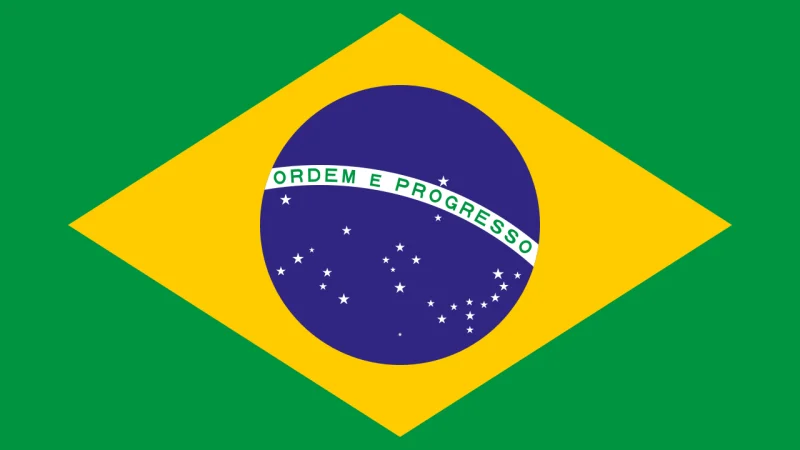
Brazil's president has announced a sudden ban on online gambling ahead of the election, a move that could reshape the country's fast-growing poker and betting market.
Brazil Moves to Ban Online Gambling
Brazilian President Luiz Inácio Lula da Silva has announced a sudden ban on online gambling ahead of the election. The measure, described as provisional, arrives at a politically sensitive moment and signals a sharp reversal for a market that had only recently been moving toward formal regulation.
What Has Been Announced
The announcement covers online gambling, the broad category that in Brazil has come to include sports betting, casino-style games, and poker played over the internet. The wording indicates a provisional measure, a type of executive action that takes effect quickly but typically requires legislative review to remain in force. Because the announcement is recent and the details are still limited, the precise scope, timeline, and enforcement mechanisms are not yet fully clear.
What is clear is the direction: a sudden halt rather than a gradual tightening. For operators and players, that distinction matters, because a sudden ban leaves far less room to adapt than a phased regulatory change.
Why It Matters for Poker
Brazil has become one of the most important poker markets in Latin America. It is a regular source of large tournament fields, a strong online player base, and a growing live scene. Any restriction on online gambling touches poker directly, since online poker rooms operate under the same broad gambling framework as sportsbooks and casino games in most jurisdictions.
A ban of this kind typically affects several areas at once:
- Online poker rooms and cash games available to players in Brazil
- Payment processing, including deposits and withdrawals
- Sponsorship and marketing by poker brands targeting Brazilian players
- Live events that depend on online qualifiers and satellite tournaments
Each of these can be disrupted even if the ban is later modified or partially reversed.
The Political Context
The timing, ahead of an election, is central to understanding the announcement. Gambling regulation is often politically charged, and a sudden restriction can serve as a populist signal. Whether the measure survives in its current form depends on how the legislature and the courts respond, and on whether the political momentum behind it holds after the vote.
For now, the practical situation is one of uncertainty. Provisional measures can be challenged, amended, or allowed to lapse. Players and operators should treat the situation as fluid rather than final.
What Players Should Watch
The most useful things to monitor are the official text of the measure, any court challenges, and guidance from regulators on how existing accounts and balances will be handled. Historically, abrupt gambling bans have created confusion around funds already held by players, so clarity on withdrawals is often the first practical concern.
It is also worth watching whether the ban distinguishes between different forms of gambling. Some regulatory frameworks treat poker differently from pure chance-based games, on the argument that it involves skill. Whether Brazil's measure makes that distinction is not yet established.
A Market in Flux
Brazil had been seen as a growth market, with regulation gradually taking shape. A sudden ban reverses that trajectory, at least in the short term. The outcome will depend on politics, legal process, and how aggressively the measure is enforced.
For the poker community, the immediate takeaway is caution. The announcement is real and significant, but the details remain unsettled. Until the measure is clarified, any conclusion about its long-term effect on Brazilian poker would be premature.
FAQ
- President Luiz Inácio Lula da Silva has announced a sudden ban on online gambling ahead of the election. It is described as a provisional measure, meaning it takes effect quickly but typically requires legislative review to remain in force. Full details are not yet clear.