Chess.com's Bootstrapped Rise to $200M
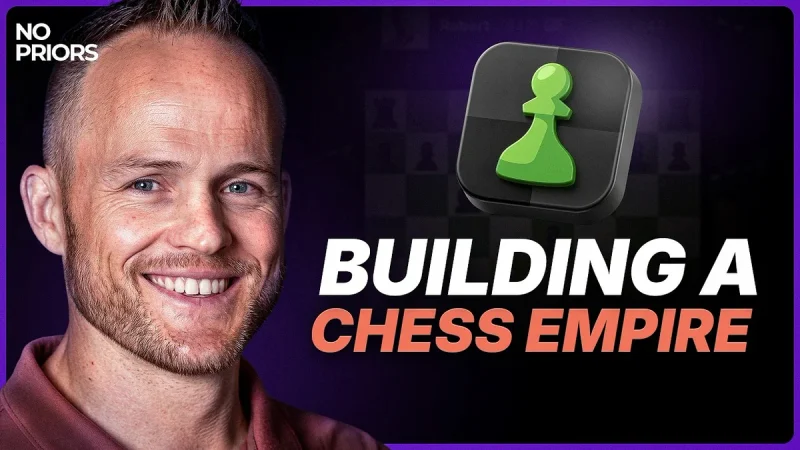
Chess.com grew to roughly $200 million in revenue without outside venture funding, showing how a niche platform can scale through freemium subscriptions and community.
Chess.com is widely cited as one of the more striking examples of a consumer internet company that scaled to significant revenue without relying on venture capital. Reports place its annual revenue at roughly $200 million, a figure that stands out because the company grew largely on its own cash flow rather than through outside funding rounds.
What Bootstrapping Means Here
Bootstrapping generally refers to building a business using retained earnings and customer revenue instead of outside investment. In practice, that means the company funds product development, hiring, and infrastructure from the money it already earns. The trade-off is usually slower early growth in exchange for keeping ownership and control concentrated among founders and early stakeholders.
For a subscription-driven platform, this model works when the core product retains users and converts a meaningful share of them into paying customers. Chess.com's path is typically described in those terms: a free tier that draws in casual players, paired with paid memberships that unlock additional features.
The Freemium Engine
A freemium model rests on a simple principle. The free product must be good enough to attract a large audience, while the paid tier must offer enough added value that a subset of that audience chooses to subscribe. Typical paid features on chess platforms include advanced analysis tools, unlimited puzzles, lesson libraries, and ad-free play.
Because the marginal cost of serving one more user on a digital platform is usually low, subscription revenue can scale faster than costs once the user base is large. That dynamic is a common reason freemium businesses can generate strong margins at scale.
Community and Retention
Chess has an advantage many apps lack: it is a game with a built-in competitive structure. Ratings, head-to-head matches, and improvement over time give players reasons to return. Retention is the quiet engine behind subscription revenue, since a subscriber who stays for years is worth far more than a one-time purchase.
Platforms in this space also tend to benefit from network effects. More players mean faster matchmaking and more opponents at every skill level, which improves the experience for everyone. That creates a loop where growth reinforces itself.
Why the Story Matters
The Chess.com example is often used to illustrate that large outcomes do not require venture funding. It also highlights how a focused product in a well-defined niche can build a durable business. For founders, the lesson is less about chess specifically and more about the mechanics: a product people use repeatedly, a clear paid upgrade, and disciplined spending.
It is worth noting that revenue figures reported in media coverage are estimates or company statements rather than audited public filings, since the company is privately held. Treat specific numbers as approximate.
Takeaways
- Bootstrapping means growing from customer revenue rather than outside investment.
- A freemium structure can convert a large free audience into a smaller paying base.
- Retention and network effects compound subscription revenue over time.
- Privately held revenue figures should be read as approximate.
FAQ
- It means the company grew primarily using its own revenue rather than raising outside venture capital, allowing founders to retain ownership and control.