Did Felipe Boianovsky's Stunning River Fold Get GTO Wizard's Approval?
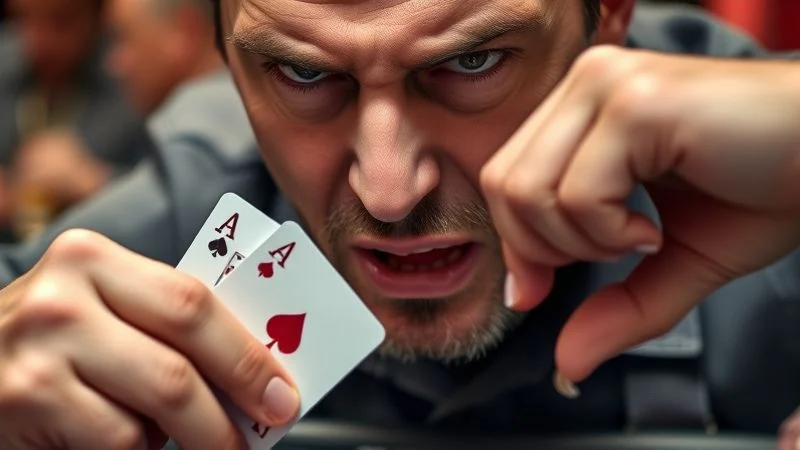
Felipe Boianovsky's river fold in a recent hand has sparked heated debate, with the poker community increasingly discussing whether it aligns with GTO strategy. This article analyzes the GTO logic behind the fold and explores the role of solvers in real-world play.
A Controversial Hand
Brazilian poker pro Felipe Boianovsky is known for his aggressive yet precise play, but a recent river fold in a high-stakes cash game left many viewers stunned. The specific details of the hand have circulated within the community, but the core debate revolves around whether this fold is supported by GTO (Game Theory Optimal) strategy.
What is GTO Wizard?
GTO Wizard is one of the most popular Texas Hold'em solvers currently available, providing near-optimal post-flop strategies through extensive calculations. Players use it to check whether their decisions are "balanced" or "exploitative." However, GTO is strictly an ideal model based on perfect game theory—since opponents in practice may deviate from optimal play, blindly copying GTO is not always the best choice.
Analysis of the Fold
According to the hand history that circulated, Boianovsky faced a large bet on the river with a medium-strength made hand on a board where potential flushes and straights had completed. He ultimately folded, and his opponent showed the nuts. In hindsight, this was a successful fold. But from a GTO perspective, whether to fold depends on range construction and frequency.
GTO solvers typically suggest a mixed strategy: sometimes folding, sometimes calling, and occasionally even raising. Therefore, even if this fold was +EV, it would only fall within GTO's reasonable range, not as the "sole correct" play. Boianovsky himself stated that his decision was based on reading the opponent's betting patterns, not relying entirely on GTO.
Community Reaction
The poker community is sharply divided on this hand. Some see it as a prime example of a "hero fold," showcasing a top player's understanding of ranges; others argue that over time, such heroic folds can be exploited. Notably, a developer of GTO Wizard once mentioned in an interview that excessive GTO adherence in actual play might reduce profits, because opponents often make more mistakes.
Conclusion
Ultimately, whether Felipe Boianovsky's river fold is "GTO Wizard Approved" is not the key takeaway. What matters more is that it reminds us: in Texas Hold'em, GTO is a reference framework, but final decisions must still incorporate opponent tendencies and table dynamics. This fold is impressive precisely because it demonstrates the combination of human intuition and calculation in a complex situation.