What to know for your first live poker tournament
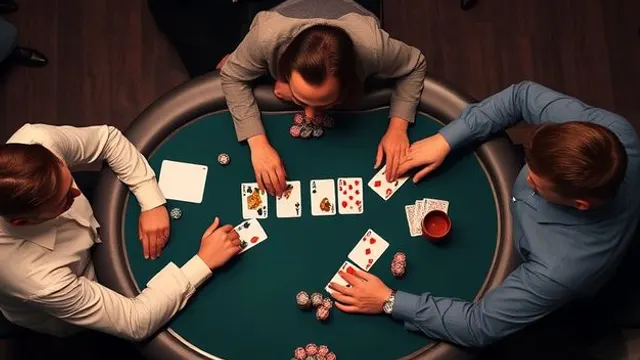
From rules, etiquette, strategy to mental preparation, comprehensively analyze the key points of participating in a live poker tournament for the first time, helping beginners avoid common mistakes and smoothly get through the adaptation period.
Definition and Core Differences
A live poker tournament is a competition held in a physical venue (such as a casino, poker room, or event center), where players sit face-to-face at the same table and use physical chips and cards. Compared to online tournaments, live events have the following characteristics:
- Physical chips: Each player has a stack of chips of equal value, used for betting, raising, and other actions. Attention must be paid to chip placement and protection.
- Table etiquette: Requires clear and standardized actions (such as verbal bets, pushing chips), as well as respect for opponents and the dealer.
- Time consumption: The pace of live tournaments is much slower than online; you may only complete a few levels in a day, and breaks are typically included.
- Reading opponents: You can observe opponents' body language, expressions, and reactions, but be cautious about the reliability of "tells".
II. Basic Process and Principles of Participating in a Live Tournament
1. Pre-Event Preparation
- Registration: Check the schedule on the tournament's official website in advance. You usually need to arrive at the registration desk one hour before the start, pay the entry fee, and receive a seat card.
- Items to bring: Identification (usually a passport or ID card), cash or bank card (some events accept cash only), earplugs (if sensitive to noise), comfortable clothing (the tournament may last 8-12 hours).
- Understand the rules: Be sure to read the tournament rulebook, especially regarding re-entries, overtime, penalties, and other special clauses.
2. Table Behavior Standards
- Chip management: Chips should be stacked clearly visible in front of you, never obscured. When betting, push out chips in one motion to avoid disputes over "split betting."
- Betting process: Use a combination of verbal announcement and physical action. For example, say "raise to 1000" while pushing the chips. Do not act first and then speak, as this can cause misunderstandings.
- Action order: Act strictly in turn, waiting for the player before you to finish before acting. When looking at your hole cards, keep your hands clean and avoid touching the card faces.
3. Blind Structure and Strategy Adjustments
- Level duration: Typically 40-60 minutes per blind level. Early levels have deep stacks (about 100-200 BB), while later levels become shallow (20-50 BB).
- Pace adaptation: Live tournaments have fewer hands per hour (about 25-30), so every decision against similarly skilled opponents is more valuable. It is advisable to play a tighter starting hand range and avoid marginal situations.
- Energy management: Maintaining focus for long periods is demanding. Stay hydrated and eat regularly to avoid blood sugar swings affecting judgment. Move around during breaks.
III. Practical Example: A Typical Preflop Scenario
Scenario: $100 buy-in small tournament, blinds 100/200, ante 25. You are in the cutoff position with 12,000 chips (60 BB). All players before you fold, and you are dealt A♠K♠. Thought process: This is a standard strong hand, but opponents early in a live tournament may be unfamiliar. You notice the small blind is a young male who has been playing on his phone, and the big blind is a middle-aged female who previously called with a marginal hand. Action: You can raise to 600 (about 3 BB). This builds the pot without overexposing your hand strength. If called by the small or big blind, you can make decisions post-flop based on the board and opponent reactions. A common mistake is raising too aggressively to 800+, which bloats the pot and creates difficult post-flop situations.
IV. Common Misconceptions
1. Ignoring the Physical Environment
Many beginners underestimate the noise, lighting, and air conditioning effects of live tournaments. Consider wearing earplugs to block noise and layering clothing to adjust body temperature.
2. Acting Too Fast or Too Slow
Acting too fast can lead to mistakes (e.g., folding without seeing your hand clearly), while acting too slow may prompt the dealer to say "time." Plan your general action before it is your turn.
3. Over-reliance on "Reading People"
Novices often treat an opponent's leg shaking or face touching as definitive signals. In reality, these behaviors may be physical reactions or false tells. Focus first on calculating pot odds and ranges.
4. Neglecting Chip Protection
Place your chip stack directly in front of you and use a chip tray or your elbows to guard it, preventing it from being knocked over or taken by mistake. When folding, slide your cards face-down toward the dealer, not into the middle of the table.
V. Summary
Playing your first live poker tournament is both a challenge and an opportunity for growth. Key points include: familiarize yourself with the tournament rules and procedures in advance, focus on etiquette and standardized actions, adopt a relatively conservative starting strategy, and manage your energy and emotions. Remember, every professional player had a first time. Stay calm, enjoy the process, concentrate on making the right decisions, and the results will follow naturally.
FAQ
- Typically you need to bring a valid ID passport or ID card, registration fee (cash or debit card; some tournaments do not accept credit cards), earplugs to reduce noise, comfortable clothing and a jacket the venue's AC may be cold, as well as water and small snacks. It's not recommended to bring too much cash; you can keep it in a fanny pack or pocket.