From Kindergarten to WSOP: The Digital Life of a Florida Math Genius
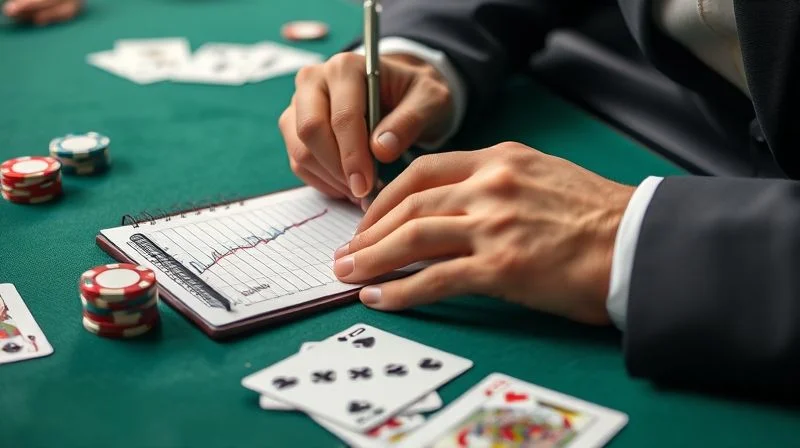
According to Poker.org, a Florida math genius has been with numbers since childhood and now uses mathematical strategies to stand out in WSOP, demonstrating the key role of probability and game theory in poker.
Recently, Poker.org reported on a math genius from Florida who has shown extraordinary sensitivity to numbers since kindergarten, and now brings that talent to the tables of the World Series of Poker (WSOP).
This player has been immersed in the world of numbers from a young age. Mathematics is not only his interest but also his tool for understanding the world. In poker, he integrates mathematical principles — such as probability calculation, expected value analysis, and game theory — into every decision, allowing him to gain an edge in complex hands.
How Mathematics Works in Poker
Poker is essentially a game of incomplete information, and mathematics is the foundation for making optimal decisions. Here are a few key concepts this genius player likely applies:
- Probability & Odds: Calculating the probability of winning a hand and comparing it to pot odds to decide whether to continue betting.
- Expected Value: Evaluating the long-term profit or loss of each action, choosing plays with positive expected value.
- Game Theory Optimal Strategy (GTO): Balancing betting ranges so that opponents cannot easily exploit you.
The Journey from Kindergarten to WSOP
The report notes that the player has viewed mathematics as a "language of life" since childhood, teaching himself arithmetic from kindergarten. As he grew older, he encountered poker and quickly realized that mathematical thinking could be turned into an edge at the table. After years of study and real‑play experience, he finally stepped onto the WSOP stage to compete against the world's top players.
Although the report does not disclose specific tournament results or bracelet counts, his story vividly illustrates that poker is not merely a game of luck but a contest of mathematics and psychology.
Takeaways
The experience of this math genius reminds us that a solid mathematical foundation can bring significant advantages in poker. For average players, learning and practicing basic concepts like probability and expected value can also effectively improve their game. However, mathematics is only one part of poker; soft skills such as emotional control and reading opponents are equally indispensable.
Note: This article is based on public reports and does not include unverified personal data.