Greg Mueller on His WSOP Main Event Run
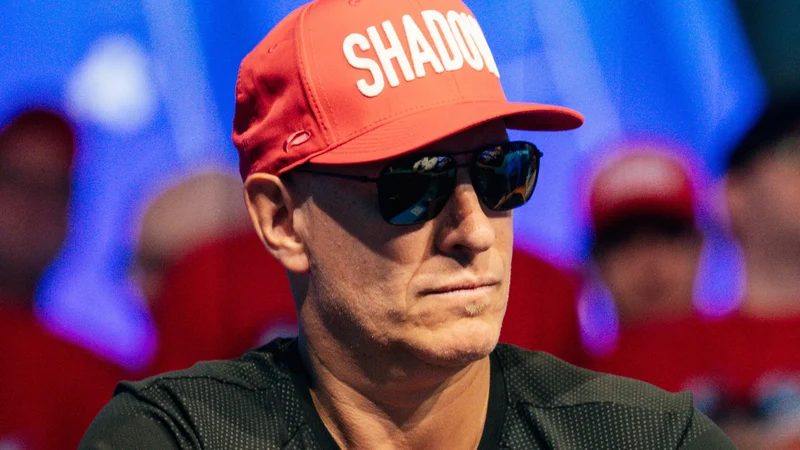
Greg Mueller reflects on his WSOP Main Event success and the single fold he still regrets, offering a lesson in trusting reads under pressure.
Greg Mueller Looks Back on a Career-Defining WSOP Main Event
Greg Mueller is a name that resonates with longtime followers of tournament poker. A Canadian professional with a background in professional hockey before he turned to the felt, Mueller built a reputation as a tough, aggressive player capable of deep runs in the biggest events on the calendar. Among those results, his performance in the World Series of Poker Main Event stands out as a defining chapter of his career.
In an exclusive conversation, Mueller opened up about that run and about the one decision that still lingers in his mind: a single fold he regrets. For a player who has navigated enormous fields and high-pressure spots, the fact that one laydown still bothers him says something about how much the Main Event means to anyone who gets deep in it.
Why One Fold Can Haunt a Player
Poker is a game of incomplete information, and even the best players make decisions they would like to take back. What separates elite competitors is not the absence of regret but how they process it. A fold in a critical pot can be worth a massive swing in tournament equity, and in a structure as slow and demanding as the WSOP Main Event, every marginal decision compounds over days of play.
Mueller's honesty about his regret is a reminder that results and process are not the same thing. A player can finish deep and still know, privately, that a different choice was available. That kind of self-review is exactly what drives improvement at the highest level.
The Anatomy of a Tough Fold
Most regretted folds share a few common features:
- The pot is large relative to the stacks in play, so the decision carries heavy ICM and chip-EV weight.
- The opponent's line is polarized, meaning they either have a very strong hand or a bluff.
- The hero has a hand that beats bluffs but loses to value, creating a genuine guessing game.
- Time pressure and fatigue make it harder to weigh all the available information.
In these spots, players often default to caution. Folding preserves chips and avoids the risk of elimination, but it also forfeits the chance to accumulate the stack needed to win a tournament. The tension between survival and accumulation is the central strategic problem of deep tournament play.
Lessons for Aspiring Tournament Players
Mueller's story carries practical value for anyone grinding tournaments, whether at a local card room or online.
Trust Your Reads, but Verify Them
A read is only as good as the information behind it. Before acting on a gut feeling, players should ask what specific tendencies, bet-sizing patterns, or table dynamics support that read. A fold that feels right in the moment may look different when reviewed later with fresh eyes.
Separate Process From Outcome
A good decision can produce a bad result, and a bad decision can be rewarded. Judging choices solely by whether they worked out is a recipe for stagnation. Reviewing hands in terms of ranges, equity, and opponent tendencies leads to better long-term results.
Prepare for the Mental Game
The WSOP Main Event is a marathon. Days are long, pressure is constant, and the spotlight is intense. Players who manage their energy, emotions, and focus tend to make clearer decisions when it matters most. Regret is natural, but it should be used as fuel for study rather than as a weight that drags down future performance.
The Bigger Picture
Mueller's willingness to discuss a painful fold reflects a maturity that many recreational players lack. The best players in the world treat every session as data. They accept that mistakes are inevitable and focus on making fewer of them over time.
For fans, the takeaway is simple: even seasoned professionals with deep runs on their resume are still learning. The WSOP Main Event rewards patience, discipline, and the courage to act on strong reads. Mueller's reflection on his one regret is a candid look at the human side of high-stakes competition, and a reminder that in poker, the toughest opponent is often the decision you did not make.
FAQ
- Greg Mueller is a Canadian professional poker player and former hockey player who has built a reputation through deep runs in major tournaments, including the WSOP Main Event.