Mikiya Kudo: Poker's Flow State Under
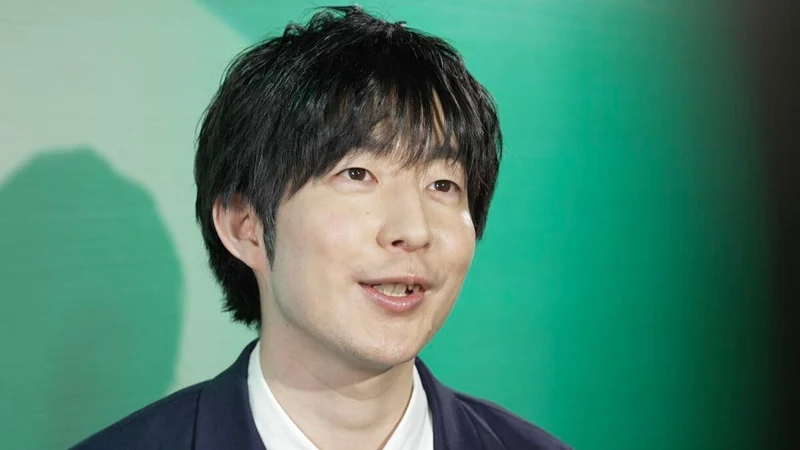
Japanese poker player Mikiya Kudo says pressure sharpens his focus, describing how deep tournament play puts him into a flow state.
A Player Who Wakes Up When the Pressure Rises
Japanese poker player Mikiya Kudo has drawn attention for his results in overseas tournaments, and his own explanation for those performances is less about technical adjustments than about a mental shift. In an interview, Kudo described a pattern that many tournament regulars will recognize: the more he is pushed to the edge of a tournament, the more clearly he seems to think.
His framing of that experience is direct. Playing poker, he says, puts him into a flow state.
What a Flow State Actually Means
Flow is a well-established concept in psychology. It describes the condition of being fully absorbed in an activity, where attention narrows to the task at hand, self-consciousness fades, and decisions feel almost automatic. The state typically appears when three conditions line up:
- The challenge is high but still within reach of the person's skill
- There is clear, immediate feedback on each action
- The task demands sustained concentration
Poker fits that profile unusually well. Every hand presents a fresh decision, the result of each decision arrives quickly, and the difference between a good and a bad choice can be measured in chips within minutes. For players who thrive in that environment, the pressure of a deep tournament run does not scatter their thinking. It concentrates it.
Why Pressure Can Sharpen Rather Than Break a Player
In tournament poker, the moments that matter most usually arrive with the most at stake. Blinds are large relative to stack sizes, ICM considerations constrain the available options, and a single mistake can end a run that took hours or days to build. Many players tighten up or rush in these spots.
Kudo's description suggests the opposite response. Being cornered, in his account, is not a source of panic but a trigger for heightened focus. That is a useful distinction, because it points to something that can be trained rather than something purely innate.
The Practical Side
A player who performs well under pressure is generally not relying on talent alone. Typical habits behind that kind of composure include:
- Repeated exposure to high-stakes situations, so the feeling becomes familiar rather than alarming
- Pre-decided ranges and plans, which reduce the number of decisions that must be made from scratch
- Routines between hands that reset attention instead of letting one result bleed into the next
- Physical basics such as sleep, hydration, and breaks during long sessions
None of these guarantee a flow state, but they remove the friction that tends to prevent it.
The Takeaway
Kudo's comment is a reminder that tournament poker is a mental game as much as a mathematical one. The same pressure that causes some players to make rushed or overly cautious decisions can, for others, narrow attention to exactly what matters. Whether that response is learned or natural, it is one of the qualities that separates players who survive deep runs from those who stall out.
For players looking to improve, the practical lesson is not to chase the feeling directly. It is to build the preparation, routines, and decision frameworks that make it more likely to appear when the pressure is highest.
FAQ
- It is a state of full absorption in the game, where attention narrows, self-consciousness fades, and decisions feel automatic. It tends to occur when the challenge is high but matched to the player's skill, feedback is immediate, and concentration is required.