Online Poker Hit by Fresh Hole Card
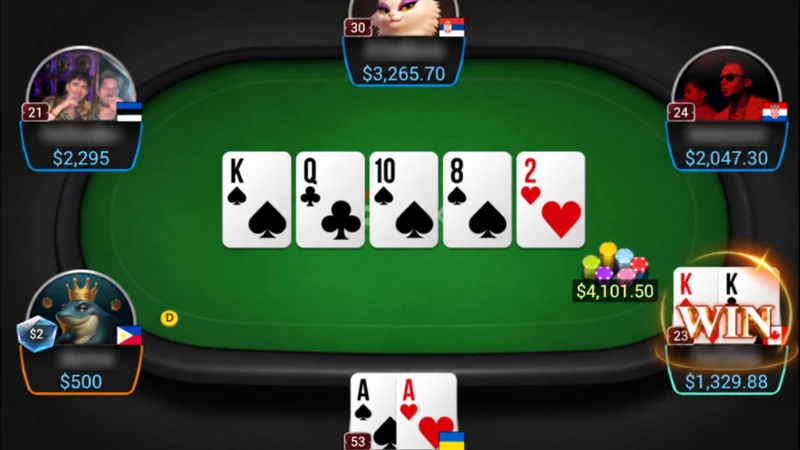
A new hole card security scare has hit online poker, with players being urged to check their computers for signs of compromise.
Online Poker Rocked by Fresh Hole Card Scandal
A fresh hole card scandal has shaken the online poker world, prompting calls for players to inspect their own computers for signs of compromise. The episode has renewed long-standing concerns about the security of cards dealt in online games, where players cannot physically see the deck or the dealer.
The core worry in any hole card scandal is straightforward. If a player or a third party can learn what cards an opponent holds before those cards are revealed, the integrity of the game collapses. In live poker, cards are protected by physical procedures: shuffled decks, cut cards, and dealers who keep the deck in view. Online, that protection depends entirely on software, servers, and the devices players use.
Why Players Are Being Told to Check Their PCs
The advice to check personal computers reflects a basic principle of online security. Even the most robust poker platform can be undermined if a player's own machine is compromised. Malware, remote access tools, and screen-sharing software can expose a player's hole cards or account activity without the platform itself being breached.
Typical warning signs that security experts generally flag include:
- Unexpected programs running in the background or unfamiliar processes in the task manager
- Unusual network activity, especially connections to unknown servers
- Remote access tools installed without the user's knowledge
- Browser extensions or plugins that were not deliberately added
- Sluggish performance that cannot be explained by hardware or connection issues
These are general indicators, not proof of compromise. Players who notice them are usually advised to run reputable security scans, update their operating systems, and change passwords from a separate, trusted device.
What This Means for the Online Poker Ecosystem
Hole card scandals tend to trigger a familiar cycle. First comes player suspicion, then demands for transparency, then operator statements and, in some cases, independent security reviews. The long-term effect often depends less on the specific incident and more on how platforms respond.
Operators typically rely on a combination of encryption, randomized number generation, and monitoring systems designed to detect abnormal patterns. Collusion detection, for example, looks for suspicious relationships between accounts, such as players who repeatedly win against the same opponents or share similar betting patterns. Security teams may also track device fingerprints and login locations.
None of these measures is perfect. Determined bad actors adapt, and the cat-and-mouse nature of online security means that new vulnerabilities can emerge. That is why player-side hygiene matters as much as platform-side defenses.
Practical Steps for Players
For those who play online poker regularly, a few habits generally reduce risk:
- Keep operating systems, browsers, and poker clients updated
- Avoid downloading unknown software, especially tools marketed as poker aids
- Use unique, strong passwords and enable two-factor authentication where available
- Be cautious with screen-sharing during play
- Review account activity and report anything unusual to the operator promptly
These steps do not guarantee safety, but they raise the cost for anyone attempting to exploit a player's device.
The Bigger Picture
The recurring nature of hole card scandals highlights a structural challenge for online poker. The game depends on trust, yet players must trust software they cannot inspect and servers they cannot see. Each new incident tests that trust.
For now, the practical takeaway is simple. Players are being urged to check their computers, review their security settings, and stay alert. Whether this particular scare leads to confirmed breaches or proves to be a false alarm, the underlying lesson remains the same: in online poker, security is a shared responsibility between platforms and the people who play on them.
FAQ
- It refers to a situation where hole cards, the private cards dealt to a player, may have been exposed to others. This can happen through software vulnerabilities, compromised devices, or other security failures, undermining fair play.