Which poker habit took you too long to unlearn? Reddit players discuss
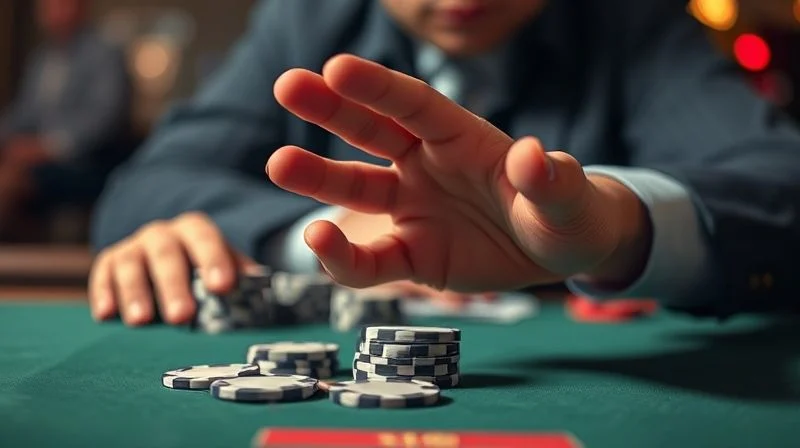
On Reddit r/onlinepoker, players share their hardest poker habits to break. This article summarizes the most common ones, including overplaying flush draws, overvaluing small pairs, and being too passive post-flop, along with practical advice to fix these habits.
In the Reddit r/onlinepoker section, a popular post asks: "Which poker habit took you too long to unlearn?" Players share their painful experiences, often habits developed in early learning that take a long time to correct.
Common Poker Habits Hard to Unlearn
1. Chasing Flush Draws Relentlessly
Many players, after flopping a flush draw, call or raise recklessly even when pot odds are unfavorable. This "chasing" habit stems from a desire for big chip stacks but often leads to long-term losses. To break it, you need to learn to calculate implied odds and fold low-equity draws on the flop.
2. Overvaluing Small Pocket Pairs
Holding small pocket pairs (e.g., 22-66), many try to flop a set while ignoring the pot size and opponent ranges after a preflop raise. This habit can lead to over-folding when the flop misses or calling in unfavorable spots. Key lesson: Small pocket pairs are only profitable in multiway pots with high potential implied odds.
3. Being Too Passive Postflop
Some players habitually check-call on the flop, hoping to see the next card, while missing opportunities to bet or raise. This passive style is easily exploited by aggressive players postflop. To break it, learn to make value bets or bluffs based on board texture and opponent ranges.
4. Failing to Adjust Preflop Ranges
Many players stick to preflop ranges developed at low stakes even when moving up or facing different opponent styles. For example, over-defending the big blind or playing too many junk hands from early position. Most players need hundreds or thousands of hands to realize the importance of range adjustment.
5. Emotional Betting (Tilt)
After losing a big pot, players often start betting and calling wildly in an attempt to "win back" losses immediately. This habit is hardest to break because it’s tied directly to emotions. Solutions include setting stop-loss limits, taking a break, or stepping away from the table.
How to Efficiently Break Bad Habits
- Review Hands: Use poker tracking software to analyze your betting patterns and identify deviations from optimal strategy.
- Focus on One Goal: Each time you sit at the table, concentrate on fixing just one habit, e.g., "Today I won't chase flush draws."
- Discuss with Others: Talk to poker friends or a coach; often an outsider can spot your blind spots faster.
Breaking a deeply ingrained habit may take months or longer, but every correct decision leads to steadier long-term profits. Remember, poker is a game of probability, not impulse.