Using Solana at WSOP Paradise 2026
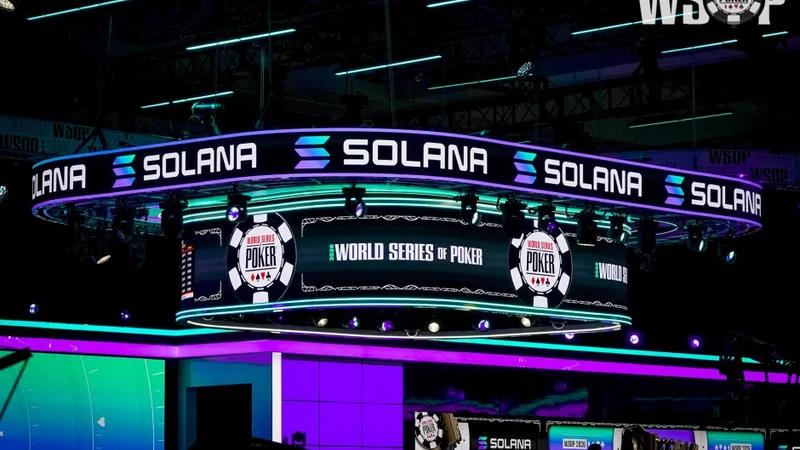
A practical look at how Solana-based crypto payments are expected to work at WSOP Paradise 2026, covering wallets, network fees, and common pitfalls.
What This Guide Covers
WSOP Paradise has become a fixture on the live tournament calendar, and its organizers have leaned into crypto-friendly payment options in recent years. For 2026, Solana is expected to be among the supported networks for players who want to move money on-chain rather than through traditional banking rails.
This guide explains the mechanics of using Solana in that context. It focuses on how the network works, what players typically need before they arrive, and the practical risks worth understanding. Specific deposit limits, eligible events, and processing windows are set by the operator and can change, so always confirm current terms directly with the official tournament or payment provider before sending funds.
Why Solana Comes Up in Poker Payments
Solana is a layer-1 blockchain known for high throughput and low transaction fees relative to networks like Ethereum mainnet. Those two properties matter for poker players for a simple reason: moving money in and out of a tournament series often involves multiple transfers, and fees and confirmation times add up.
A typical flow looks like this:
- A player buys SOL on an exchange or receives it from an existing wallet.
- The SOL is sent to a wallet the player controls.
- From there, funds are transferred to whatever address the payment processor provides.
- After the series, any remaining balance is sent back to a personal wallet and, if desired, converted to fiat.
Each step has its own cost and risk profile. Exchange withdrawals usually carry a fixed fee. On-chain transfers carry a network fee, which on Solana is generally small but not zero. Off-ramping back to a bank account depends on the exchange and the player's jurisdiction.
Setting Up Before You Travel
Most problems players run into are setup problems, not network problems. A few things are worth handling before departure.
Wallet choice
Solana uses its own address format, and not every wallet supports it. Players should confirm that the wallet they intend to use explicitly supports Solana and the SPL token standard. Hardware wallets offer stronger key security but require the device to be carried and kept safe.
Seed phrase handling
A seed phrase is the only way to recover a wallet. Writing it down and storing it separately from the device is standard practice. Storing it in a photo, a cloud note, or a chat message is a common and costly mistake.
Network selection
When sending from an exchange, the withdrawal screen usually asks which network to use. Selecting the wrong network can result in permanently lost funds. Solana transfers must be sent on Solana.
Test transfers
Sending a small test amount first is a widely recommended habit. It confirms the address is correct and that the receiving side credits Solana deposits as expected.
Fees, Speed, and What to Expect
Solana transactions typically confirm in seconds, and network fees are usually a fraction of a dollar. That said, congestion and priority fees can raise costs during periods of heavy activity. Players should not assume a fee will always be negligible.
Exchange withdrawal fees are separate and often larger than the on-chain fee. Spread costs when converting between SOL and fiat can also be meaningful, particularly for larger amounts.
Common Pitfalls
- Sending on the wrong network, which can make funds unrecoverable.
- Using an address that belongs to a different chain but looks similar.
- Assuming a deposit is credited instantly when the operator may require confirmations or manual review.
- Ignoring local tax and reporting obligations on crypto gains.
- Relying on a single wallet with no backup.
Compliance and Tax Considerations
Crypto payment availability varies by jurisdiction, and operators generally apply identity verification requirements regardless of the payment method used. Players should expect to complete KYC before funds are accepted or returned.
Tax treatment of crypto differs by country. In many jurisdictions, converting between crypto and fiat, or using crypto to buy into an event, can create a taxable event. Records of purchase price, transfer dates, and amounts are worth keeping.
Practical Checklist
- Confirm Solana is an accepted network for the specific event and payment provider.
- Verify the wallet supports Solana and SPL tokens.
- Back up the seed phrase offline.
- Send a small test transaction first.
- Keep records for tax reporting.
- Check current fees and processing times before large transfers.
Final Thoughts
Solana's speed and low fees make it a reasonable option for players who are already comfortable with self-custody. The main risks are operational rather than technical: wrong networks, lost keys, and unverified assumptions about how a specific operator handles deposits. Confirming details with the official source before moving money remains the single most useful step.
FAQ
- Crypto payment options are set by the operator and can change between events. Players should confirm accepted networks and terms directly with the official tournament or payment provider before sending funds.