Spraggy Hit by False YouTube Strike
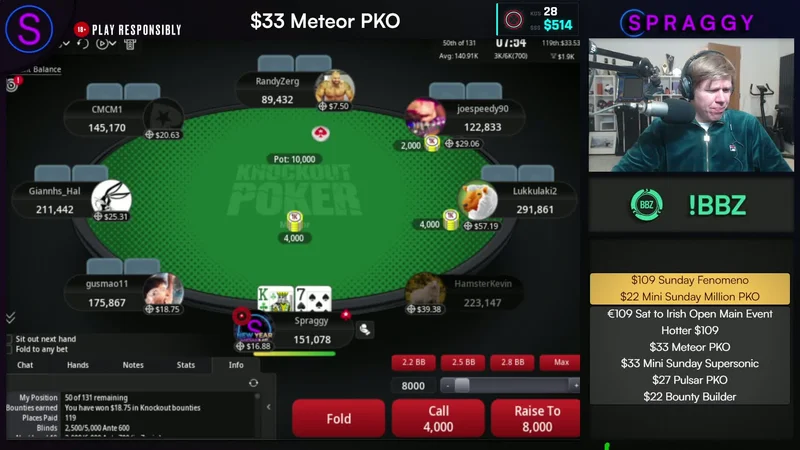
Poker streamer Spraggy is the latest creator to receive a false strike from YouTube, highlighting a recurring problem for poker content on the platform.
Another Poker Creator Caught by YouTube's Enforcement
Poker streamer Spraggy has become the latest poker creator to receive a false strike from YouTube, continuing a pattern that has affected the poker content community for some time.
A strike of this kind is a formal enforcement action tied to a channel's standing on the platform. When YouTube issues a strike, it typically restricts the creator's ability to upload, livestream, or access certain features for a set period, and repeated strikes can escalate toward channel termination. The critical detail in this case is that the strike is described as false, meaning the content in question did not actually violate the platform's rules as the creator understood them.
Why Poker Content Runs Into Trouble
Poker occupies an awkward position in the content moderation landscape. On one hand, poker is a game of skill with a large, legitimate audience and a well-established competitive scene. On the other hand, automated systems and even human reviewers often struggle to distinguish between poker and other forms of gambling content that platforms restrict more aggressively.
This ambiguity creates several recurring problems for creators:
- Automated detection tools can flag poker streams based on keywords, thumbnails, or visual cues associated with gambling, without assessing the actual context.
- Appeals processes are often slow, and creators may wait days or weeks for a review while their channel remains limited.
- Enforcement appears inconsistent, with similar content treated differently across channels and over time.
For streamers whose income depends on regular uploads and live broadcasts, even a short restriction can have real consequences. A strike can interrupt a streaming schedule, reduce ad revenue, and disrupt the relationship with an audience that expects consistent content.
A Familiar Pattern for the Poker Community
Spraggy's case is notable less because it is unusual and more because it fits a pattern that poker creators have reported repeatedly. False strikes and demonetization issues have become a familiar frustration in the space, and each new instance tends to reignite discussion about how platforms classify poker.
The underlying tension is structural. Platforms write policies designed to cover a broad range of gambling-related content, and poker sits at the edge of those definitions. Creators argue that poker is a competitive mind sport with a legitimate following, while moderation systems are built to err on the side of caution. That mismatch is unlikely to be resolved by any single appeal.
What Creators Typically Do
When a false strike lands, the standard response is to appeal through the platform's review process, often accompanied by public discussion on social media to draw attention to the case. Public pressure has sometimes helped resolve individual situations, though it is not a reliable or systematic fix.
For the wider poker content community, the practical takeaway is that platform risk is now part of the job. Creators who build an audience on a single platform expose themselves to enforcement decisions they cannot fully control, which is one reason many poker streamers maintain a presence across multiple platforms and direct channels.
The Bigger Question
Spraggy's false strike is a single incident, but it points to a broader issue: how platforms define and enforce rules around poker content remains unsettled. Until that changes, poker creators can expect the occasional false strike to remain a hazard of publishing on major video platforms.
For now, the incident serves as another reminder that even established, rule-abiding poker channels are not immune to enforcement errors.
FAQ
- A strike is a formal enforcement action from YouTube that typically restricts a channel's ability to upload, livestream, or use certain features for a set period. Repeated strikes can escalate toward channel termination.