Texas Poker Club Cleared of Money Laundering, but Not Illegal Gambling
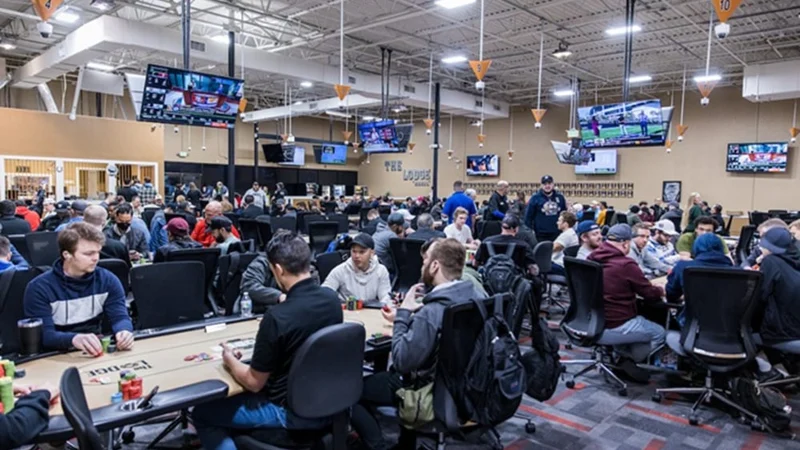
A Texas poker club was cleared of money laundering charges but still faces illegal gambling allegations. The case highlights legal gray areas for card rooms.
A Texas poker club has been cleared of money laundering charges, but it remains entangled in legal trouble over allegations of illegal gambling. The distinction underscores the complex legal landscape for poker rooms operating in the Lone Star State.
The club, whose name has not been widely reported, faced scrutiny from law enforcement over its operations. After investigation, authorities determined that the evidence did not support money laundering accusations. However, the club was not fully exonerated, as it still faces charges related to illegal gambling.
In Texas, gambling laws are strict, but poker exists in a gray area. The state penal code prohibits gambling, but it allows certain social games under specific conditions. For a poker room to operate legally, it must not take a rake or profit from the games, and players must have an equal chance of winning. Many clubs operate on a membership model, charging fees for seating or time, which they argue is legal.
However, law enforcement and prosecutors sometimes view these operations differently, arguing that the clubs effectively profit from gambling, which violates state law. This case illustrates the ongoing tension between poker room operators and authorities in Texas.
The outcome of this case could have implications for other poker clubs in the state. If the illegal gambling charges are upheld, it may set a precedent that could force many clubs to alter their business models or shut down. Conversely, a favorable ruling could provide clarity and legitimacy for the industry.
Legal experts note that the situation is not unique to Texas. Across the United States, poker rooms often operate in legal gray areas, relying on interpretations of state laws that were written long before poker's rise in popularity. The distinction between skill and chance, and between social gaming and commercial gambling, remains a contentious issue.
For now, the Texas club awaits its day in court on the gambling charges. The case serves as a reminder that even when serious allegations like money laundering are dismissed, poker operators must remain vigilant about compliance with local laws.
As the legal proceedings continue, the poker community watches closely. The outcome may influence how other clubs structure their operations and how law enforcement approaches similar establishments in the future.
FAQ
- The authorities found insufficient evidence to support money laundering allegations, so those charges were dropped. However, the club still faces illegal gambling charges.