How Online Poker Is Changing the Way
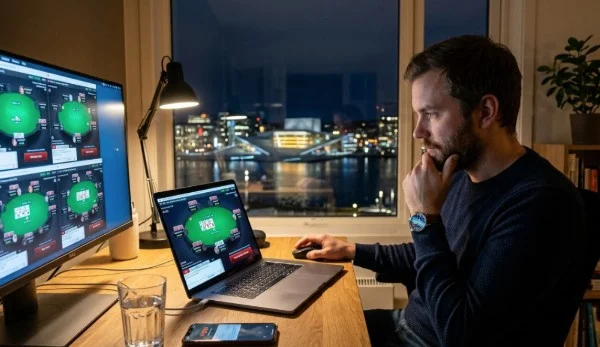
Online poker reshaped how players study: hand histories, solvers, streams, mobile drills, and testable coaching turned learning into a repeatable process.
Online poker did not just move the game onto a screen. It changed the classroom. A beginner can now watch a hand, pause the replay, check the odds, and compare notes with strangers before the coffee gets cold. That speed is a gift, but it comes with noise. New players meet lobby filters, payment screens, rake tables, and promo pages before they ever sit down, so the first lesson is simple: slow reading saves trouble. Patience beats a rushed signup almost every time in practice.
Hand Histories Turned Mistakes Into Homework
Old home games relied on memory, and memory lies after midnight. Online poker leaves a receipt for almost every choice: stack size, position, timing, board cards, and final pot. A learner can mark ten strange hands during a session and open them later in PokerTracker 4, Holdem Manager 3, or a plain spreadsheet.
That changes the tone of practice. For quiet grinders, the record is a teacher. It points at the missed continuation bet without making a speech or rolling its eyes afterward. Instead of saying, "He always has it there," a player can filter thousands of hands and see how often a river shove followed the same line. The lesson becomes less dramatic and more useful.
Bad calls still sting, but the sting has a number attached. A 28 percent call in a spot needing 34 percent is no longer a mystery. It is a leak. Clubs and coaches now build whole sessions around saved hands. One screen share, three marked pots, and fifteen minutes of blunt talk beat a fuzzy story told two days later. The hand history does not care about ego. It simply shows what happened, street by street.
Solvers Made Theory Less Secret
A solver once sounded like lab gear reserved for elite pros. Now a monthly subscription to a GTO tool or a shared PioSOLVER database puts hard theory on a laptop beside the bed. The software does not hand out magic. It shows patterns. Small blind calls too wide? The chart turns red. Button misses thin value? The simulation says so.
Some players copy charts and freeze. Better learners treat solver output like a map drawn by a very strict friend. They compare one real hand with the model, then ask why the model mixes bets, checks, and folds. That "why" matters more than memorizing a specific bluff frequency on the turn.
Real opponents misclick, tilt, and overfold after dinner. Online poker education now blends math with street sense. A study group might review one ace-high board for an hour, then agree that the pool at micro stakes calls too much. So the lesson is adjusted. Theory sets the baseline. The player still has to notice the person behind the avatar. That balance keeps study human. A chart may prefer a half-pot bet, while the table bully pays off any queen after payday on Friday nights.
Streaming Made Table Talk Public
Twitch and YouTube changed poker learning in a messy, useful way. A viewer can watch a pro explain a three-bet pot, pause the clip, then replay the part where chat erupts over a thin river call. The table is no longer silent. Some comments are awful. Still, live play shows details that books skip.
The viewer sees the stack of open tables, the rushed click, the tired laugh after a cooler, and the quick note typed on a loose caller. That context matters because real study is more than range work. It includes attention, mood, and discipline during the fourth hour.
Short clips teach differently. A ninety-second hand on TikTok can show pot odds with bright captions, but it can also hide the thirty boring folds that made the spot clear. Serious learners use clips as doorways, not meals. They watch the hand, then find the full session or recreate the spot in software. A good streamer also admits doubt in real time. Hearing "this is close" teaches more than a polished answer after the cards are known. Viewers learn that uncertainty has structure, and limits too. Entertainment starts the lesson. Work finishes it.
Mobile Apps Shortened Feedback Loops
On a bus, a phone session is not ideal poker study, but mobile tools have changed the pace of practice. Ten minutes can hold a quiz on preflop ranges, a review of marked hands, or a push-fold drill for a nine-blind stack. Small blocks add up.
The old model was heavy. Play for five hours, sleep, then maybe review on Sunday. The new model is lighter and sharper. A player busts a tournament, tags the hand, and checks the spot before frustration hardens into a story about bad luck.
Apps also expose gaps fast. A training app can show that a cutoff open against two short stacks differs from the same hand at 100 blinds. Equilab makes a guessed range visible. Even a notes app helps if the player writes, "Called turn too fast with second pair." Plain words work.
The risk is snack-sized learning with no meal behind it. A quiz score feels productive, yet improvement needs review days, rest, and honest hand selection. The best mobile habit is simple: save one hand after each session. Then study it tomorrow, not while anger is still driving the thumb. Cool heads catch the real mistake faster anyway.
Coaches Became Easier to Test
Online coaching used to feel like a leap of faith. Now a player can sample a coach through free videos, Discord comments, database reviews, and public hand breakdowns before paying for an hour. The sales pitch is still there, of course. So is proof. A short trial review can reveal more than trophy photos.
Good students look for plain thinking. Does the coach explain why a flop range bets small? Can the coach say, "This hand was played fine," instead of hunting for fake errors to sound smart? Does the advice fit the stake? A two-dollar sit-and-go player does not need a speech about balancing river overbets against world-class regulars.
Group coaching has grown because it solves one lonely part of online poker. Players hear others admit the same leaks: loose calls in blinds, bored three-bets, and panic jams near the bubble. Shame drops. Study gets normal.
The next shift will be more personal data. Training sites already sort drills by missed spots, and poker rooms track hands at huge scale. The smart player should keep one rule close: if a lesson cannot be tested at the table, write a better question.
FAQ
- Hand histories. Every choice leaves a record, so players can review marked hands later instead of relying on memory. That turns vague regrets into specific, testable leaks.