Is Playing Poker with Play Money a Good Practice? A Practical Preparation Guide for Beginner Players
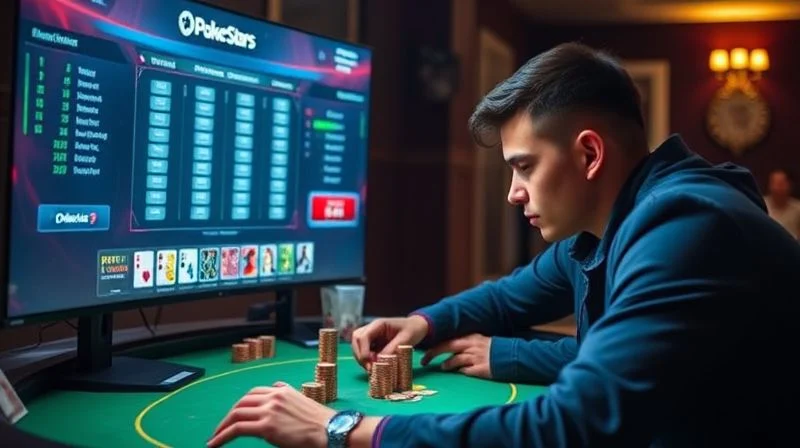
A beginner player shares on Reddit their experience playing poker tournaments with play money and plans to join live cash games or tournaments in a few months. This article discusses the effectiveness of play money practice and provides practical advice on transitioning from online free games to real-money live games.
A beginner player posted on Reddit's r/poker subreddit saying they entered tournaments using play money on PokerStars and finished fourth twice. They asked whether this practice method is effective and plan to bring $500 to play live cash games in a few months, or enter a live tournament with a $165 buy-in.
Pros and Cons of Play Money Poker
Practicing poker with play money does have its value, especially for beginners:
Advantages
- Zero Risk: Freely try different strategies without worrying about losing real money.
- Learn Rules and Flow: Understand tournament structures, blind levels, pot odds calculations, and other basic concepts.
- Practice Hand Reading and Position Awareness: Gain experience through many hands, observing opponents' action patterns.
Disadvantages
- Unrealistic Opponent Behavior: Play money players tend to be looser and more aggressive because chips have no real value. They may go all-in randomly, which rarely happens in real money games.
- No Bankroll Management Practice: With play money, players don't feel the anxiety of losing, so they cannot train risk control.
- Lack of ICM Pressure: In tournaments, ICM (Independent Chip Model) is a crucial decision factor, but it's almost ignored in play money games.
How to Effectively Use Play Money for Training
To transform play money practice into real tournament skills, you can adopt these methods:
- Set Goals: Don't just chase finishing positions; focus on specific skills, such as always "raise or fold preflop" on every hand, stealing blinds from good position, etc.
- Review Hands: After each tournament, go back over key hands and think about whether a better play was possible. You can use free poker learning software to record hands.
- Gradually Move Up: When you consistently make the money (e.g., top 15%) in play money tournaments, try the lowest buy-in micro real money tournaments (like $1 or $5) to experience real pressure.
- Supplement with Theory: Read poker strategy books or watch training videos to learn GTO (Game Theory Optimal) basics, position value, pot odds, etc.
Transition Advice from Virtual to Real
Planning to bring $500 to live games in a few months is a reasonable goal, but keep these points in mind:
- Live vs. Online Differences: Live poker involves physical tells, slower dealer speeds, and more conservative player styles. It's advisable to first gain experience in low-stakes online cash games or tournaments before going live.
- Bankroll Management: $500 is within normal range for $1/$2 cash games (usually $100-$300 buy-in) or a $165 buy-in tournament, but it's recommended to have 10-20 buy-ins to handle variance. For cash games, at least 20-30 buy-ins is typical; for tournaments, 50-100 buy-ins (depending on structure). Therefore, you could use $500 to enter lower buy-in tournaments (e.g., under $50) or start with $0.5/$1 cash tables.
- Mental Preparation: The psychological pressure jumps significantly from free games to real money. Start small and gradually adapt.
Summary
Using play money to practice poker is a viable way for beginners to start, but don't rely on it too heavily. Real improvement comes from combining theory, hand review, and low-risk real money experience. This player has already taken the first step; as long as they keep accumulating experience and transition rationally, bringing $500 to live games in a few months is entirely feasible.