How Tournament Grinders Handle Late-Stage Bad Beats: Mindset Tips from the Poker Community
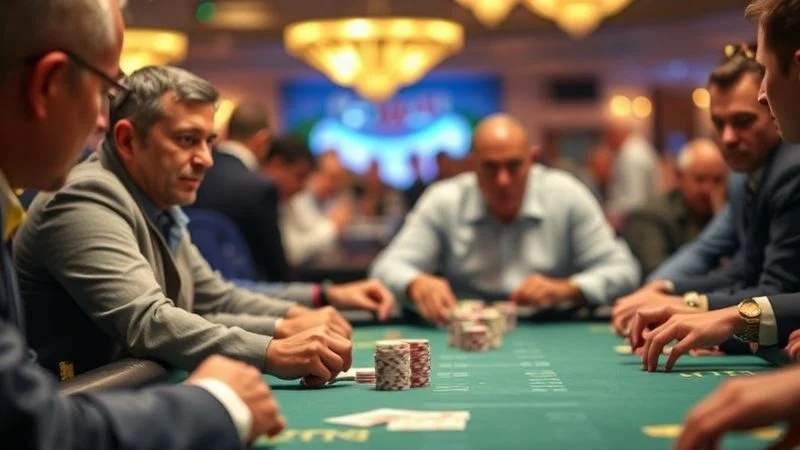
A Reddit user vented about consecutive late-stage tournament bad beats, sparking discussion. This piece explains why bad beats are inevitable and shares pro-minded coping tips: accept variance, focus on decision quality, and take short breaks.
A Reddit user recently vented on r/poker about struggling with severe bad beats in tournament late stages. The user described two consecutive hands: first, an opponent jammed preflop with 33 and hit a set on the river; next, the same opponent jammed K10 into the user's K7 and caught a seven on the flop. The user questioned how to avoid throwing the monitor through a wall.
This sentiment is all too familiar for tournament grinders. The short-term variance in poker can be brutal, especially when deep in a tournament with significant money on the line. While the specific site was not named, the emotional impact is universal.
Why Bad Beats Are Inevitable
Tournament poker involves all-in confrontations where even the strongest preflop hands (like pocket queens versus a small pair) are only about 80% favorites. Over a large sample, those 20% equity hands will win their fair share. The human brain is wired to remember painful losses more vividly than routine wins, amplifying the frustration. Mathematically, running into a one-outer or a runner-runner suckout is a guaranteed part of the game if you play enough tournaments.
Professional Mindset Shifts
- Focus on Process, Not Outcomes – A river suckout does not mean you made a mistake. Review whether your all-in was mathematically correct given pot odds and opponent range. If so, the outcome is irrelevant to your long-term success.
- Embrace Variance as a Cost of Business – In tournament poker, even the best players have a 10-15% ROI, meaning they lose 85-90% of events. Bad beats are just part of the statistical noise. Consider each buy-in a fee to play for the prize pool, not a guaranteed win.
- Take Short Breaks – After a soul-crushing beat, step away for a few minutes. Walk, breathe, or simply table the session. Playing tilted significantly damages your game, leading to more losses.
Tools for Emotional Control
- Meditation or Deep Breathing: Pro players like Fedor Holz have discussed using mental training to remain calm after bad beats.
- Keep a Hand History Log: Writing down the exact situation can help you objectively see that it was a cooler, not a mistake.
- Join a Poker Community: Sharing the bad beat with fellow players can reduce the isolation and frustration. It’s cathartic.
The Reddit user’s story is a reminder that no one is immune to the emotional roller coaster of tournament poker. The key is not to eliminate the frustration but to manage it so it does not affect your next decision. In the long run, the players who handle variance best are the ones who survive to cash more often.
Remember: even the greatest hands lose sometimes. The chips you saved by not overplaying weaker hands will help you stay in the game for the next opportunity.
FAQ
- Bad beats occur frequently due to the nature of all-in confrontations where even an 80% favorite will lose about once every five times. Over many tournaments, they are statistically guaranteed.