Who Are the Luckiest High Rollers?
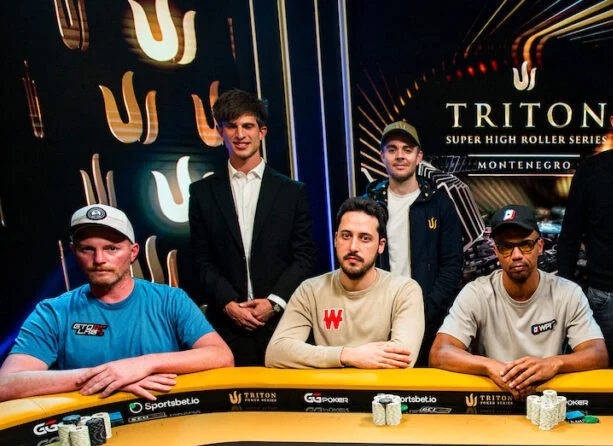
A data-driven look at which Triton high roller players have run best, using an Octopi Poker feature to examine fortune versus skill at the top stakes.
Luck Versus Skill at the Highest Stakes
High roller tournaments sit at the top of the poker food chain. The buy-ins are enormous, the fields are small, and the players are among the best in the world. In that environment, the margin between winning and losing is razor thin, which makes the question of luck unusually interesting.
A recent analysis by Barry Carter uses a feature from Octopi Poker to examine which players on the Triton tour have been the most fortunate. The premise is simple: when skill levels are roughly equal and sample sizes are limited, variance plays an outsized role in who lifts trophies and who finishes just short.
Why High Rollers Are a Special Case
High roller events differ from open-field tournaments in ways that amplify the impact of luck.
- Small fields mean fewer hands played, so short-term variance has more room to dominate results.
- Tough lineups reduce the edge any single player can hold, pushing outcomes closer to coin flips.
- Big buy-ins mean each all-in carries enormous financial weight relative to the number of decisions made.
In a large, soft field, a strong player can expect their skill to compound over thousands of hands. In a 20-player high roller, a single cooler or a well-timed bluff gone wrong can decide the entire event.
What Octopi Poker's Feature Shows
Octopi Poker's tool is designed to separate how much of a player's results come from expected value and how much comes from running above or below expectation. Applied to the Triton tour, it offers a way to identify players whose finishes have outpaced what their underlying play would typically produce.
It is worth being clear about what this kind of analysis can and cannot tell us. Running hot over a sample does not mean a player is unskilled, and running cold does not mean a player is weak. It simply means that, over the hands observed, the cards fell one way rather than another.
Reading Luck Honestly
Luck in poker is not a mysterious force. It is the gap between results and expectation, and it shrinks as sample size grows. The players who look luckiest in a given stretch are often simply the ones who have been on the right side of all-in confrontations, river cards, and bubble situations.
For fans, the appeal of this kind of breakdown is that it adds context to highlight reels. A dramatic victory looks different when you know the winner was also on the favorable end of several pivotal pots.
The Takeaway
High roller poker rewards skill, but it does not eliminate luck. Examining who has run best on the Triton tour is less about crowning the "luckiest" player and more about understanding how much variance shapes outcomes at the top of the game. The answer is usually uncomfortable for anyone who prefers clean narratives: even the best players in the world owe part of their trophy case to the deck.
FAQ
- It generally refers to a player whose tournament results have exceeded what their expected value would predict over the hands observed. This is usually a product of variance rather than a permanent trait.