WSOP Online Set for Platform Change
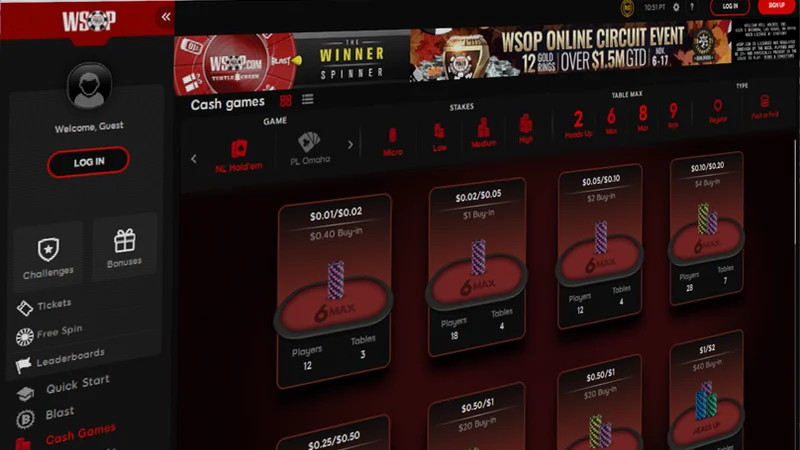
WSOP Online is preparing to move to a new platform, with several providers seen as potential candidates for the deal.
WSOP Online Prepares for a Platform Transition
WSOP Online is set to change the platform that powers its real-money online poker offering, a move that would touch the operator's online bracelet series and its broader tournament schedule. The change concerns the software and back-end provider behind the site rather than the WSOP brand itself, and it places the future of the online product in the hands of whichever provider ultimately takes over.
Platform migrations of this kind are among the most consequential decisions an online poker operator can make. The provider supplies the poker client, the table and tournament engine, the cashier integration, and much of the player account infrastructure. Switching providers therefore affects everything from game variety and tournament formats to mobile performance, security, and the speed at which new features can be shipped.
Why Operators Change Platforms
There are several common reasons an established online poker room might move to a new provider.
- Product roadmap: an operator may want faster delivery of new formats, such as progressive knockout tournaments, fast-fold variants, or new table sizes.
- Market coverage: different providers hold licenses and certifications in different regulated jurisdictions, so a platform can determine where a room is able to operate.
- Liquidity and network access: some providers run shared liquidity networks that let a room pool players across markets where regulations allow it.
- Commercial terms: revenue share, minimum guarantees, and development costs are renegotiated whenever a contract comes up for renewal.
- Technical performance: stability during high-traffic series is a recurring concern, since online bracelet events draw large concurrent fields.
What a Migration Typically Involves
A platform change is rarely a simple swap. In a typical migration, the operator must move player balances, hand histories, and account data to the new system, then re-certify the software with regulators in each market it serves. Players usually face a new client download, a new lobby layout, and sometimes a new screen name or account setup process.
Downtime is common around the switch, and operators generally schedule it outside major series windows to limit disruption. Historical hand histories are sometimes only partially preserved, and loyalty programs, rakeback structures, and tournament tickets may need to be converted or reissued.
Potential Providers
Several established poker platform providers are regularly mentioned as candidates for deals of this size, based on their existing footprint in regulated markets and their ability to support large tournament series. The identity of the eventual provider has not been confirmed, and no timeline for the transition has been announced.
For players, the practical questions are straightforward: whether the game offerings and tournament schedule they rely on will carry over, whether their account balance and history remain intact, and whether the new client performs well under the load of a major online series.
What to Watch
Until an official announcement is made, the key details remain open, including the chosen provider, the migration date, and any changes to the tournament calendar. Players who keep funds on the site should watch for official communications about account access, withdrawal procedures, and any required client updates. Operators typically publish a migration FAQ in advance, and following that guidance is the safest way to avoid disruption.
For now, the confirmed element is the direction of travel: WSOP Online is preparing to move to a different platform, and the provider selection is the central question still to be answered.
FAQ
- It means the software and back-end provider behind the site is being replaced. Players can typically expect a new client download, a different lobby and table interface, and possible downtime around the switch. Account balances and hand histories are usually migrated, though details vary by operator.