Straight Flush
Editor: dezhoupuke.orgRelated Glossary
Nuts
Nuts
The nuts is the best possible hand on a given board. It is not just any strong hand—only the unbeatable one. Knowing wh…
Second Nuts
Second Nuts
In practice, holding the second nuts requires caution that an opponent may have the nuts, especially on flush or straig…
Full House
Full House
In Texas Hold'em, it ranks fourth, behind only a straight flush and four of a kind. In practice, Full House is an extre…
Broadway Straight
Broadway Straight
It is the highest possible straight in Texas Hold'em. In practice, having a Broadway Straight means you hold the highes…
Royal Flush
Royal Flush
It is the strongest hand in Texas Hold'em and cannot be beaten by any other hand. In practice, once you have a Royal Fl…
Straight Flush
Straight Flush
Straight Flush refers to a poker hand consisting of five cards of the same suit in consecutive rank order. It is the se…
Quads
Quads
Term: Quads Quads is a poker hand consisting of four cards of the same rank, second only to a straight flush in Texas H…
Boat
Boat
Term: Boat Full House Boat is a five-card hand in Texas Hold'em consisting of three of a kind plus a pair, commonly kno…
One Outer
One Outer
This typically implies extremely low odds and is often used in practice to describe near-impossible comeback opportunit…
Freeroll Equity
Freeroll Equity
Term: Freeroll Equity Freeroll equity refers to the additional win-rate advantage in Texas Hold'em when two players hol…
Omaha Second Nut
Omaha Second Nut
In Omaha poker, the second-best possible hand given the current board, meaning all other hands are worse except the abs…
PLO Nut High
PLO Nut High
In Pot-Limit Omaha PLO, the nut high refers to the best possible high hand that can be made using exactly two hole card…
Related Strategy
Implied Odds for Drawing Hands: A Practical Guide to Correct Calculation
Implied odds are a key tool for determining whether a drawing hand is worth pursuing. This article explains how to estimate potential profits, adjust odds calculations, and provides practical examples to help you make more profitable decisions on the flop.
Overpair vs Dangerous Flop: How to Protect Your Big Pairs on Wet Boards
Overpairs AA, KK, etc. often get into trouble when the flop presents a dangerous board like flush or straight draw boards. This article covers four stages preflop, flop, turn, river explaining how to adjust bet sizing, ranges, and fold decisions to maximize value and minimize losses on wet boards.
Outs — Complete Guide to Outs Tools
Outs: Win rate, common mistakes, applicable scenarios and FAQ — Comprehensive analysis of the concept of outs in poker, including calculation methods, relationship with odds, practical tips and common misconceptions, to help players make precise decisions.
Pot Odds — The Complete Guide to Basic Concepts
Pot Odds: Win Rate, Common Mistakes, Applicable Scenarios & FAQ — Pot odds is one of the most basic and important mathematical concepts in Texas Hold'em. This article systematically explains the definition of pot odds, calculation methods, relationship with win rate, implied odds and reverse implied odds, and helps you make quick decisions in actual play through examples. Mastering pot odds is the first step to becoming a profitable player.
Triton High Roller Tournament Strategy: Deep Stacks and Elite Matchups
Triton High Roller Tournaments are known for deep stacks, high buy-ins, and top-tier player fields. This article analyzes core strategies: preflop range adjustment, postflop deep stack play, ICM pressure management, and exploitative thinking. Understanding these features helps you make better decisions in similar high-stakes events.
How to Build a Calling Range Against a River Raise
Facing a river raise is one of the toughest decisions in poker. This article systematically explains how to build a reasonable calling range based on pot odds, opponent range, board texture, etc., helping you make the right choice under pressure.
Monotone and Paired Boards: How to Adjust Your Flop Strategy
Monotone three of the same suit and paired flop has a pair boards are two special flop structures that greatly alter player ranges and action logic. This article explains the characteristics of these board types, range construction, and flop strategy adjustments to help you make better decisions in practice.
Guide to Constructing Raise Ranges Against Check-Raise
This article provides a detailed analysis of how to construct your raise 3-bet range after being check-raised on the flop. It covers the logic behind selecting hands for value raises and bluff raises, positional factors, board texture influences, and GTO references, helping you make better counter-strategy decisions in real play.
Decision Framework for Folding Draws on the Turn
The turn is a critical decision point for draws. This article proposes a systematic framework from seven dimensions: pot odds, implied odds, reverse implied odds, opponent range, board texture, position, and stack depth, to help players determine when to fold draws, avoid unnecessary losses, and improve long-term profitability.
Calling Range vs River Raise: From Theory to Practice
Facing a river raise, how to construct an optimal calling range? This article covers pot odds, opponent ranges, blocker effects, and provides actionable adjustments and real-world examples.
Texas Hold'em Board Strategy: Full Analysis of Monochrome and Paired Boards
Monochrome boards three of the same suit and paired boards at least one pair are two key flop structures that often imply different range advantages, nut possibilities, and drawing environments. This article systematically analyzes strategy adjustments for these two board types from flop to river, including c-bet frequency, value range selection, and bluff timing, helping you more accurately identify board characteristics and make optimal decisions in practice.
Online Texas Hold'em Play and Rules: Hand Rankings and Basic Strategy
Detailed introduction to basic rules of Texas Hold'em, hand rankings, position concepts, and online poker considerations to help beginners get started quickly.
Related Players
' width='512' height='512'/%3E%3Ctext x='256' y='256' text-anchor='middle' dominant-baseline='central' font-family='system-ui,sans-serif' font-size='240' font-weight='bold' fill='hsl(87,30%25,85%25)'%3ETS%3C/text%3E%3C/svg%3E)
Thales Salomao Filho
 Brazil
Thales Salomao Filho, Brazilian poker player, world ranking 26525, cumulative earnings about $120,000. He has shown a stable playing style in many events, attracting attention in the South American poker community.
' width='512' height='512'/%3E%3Ctext x='256' y='256' text-anchor='middle' dominant-baseline='central' font-family='system-ui,sans-serif' font-size='240' font-weight='bold' fill='hsl(262,30%25,85%25)'%3EMM%3C/text%3E%3C/svg%3E)
Michael Mellor
 Canada
Michael Mellor is a Canadian poker player known for his deep runs in Montreal-area tournaments. He finished 6th in a Playground Poker event for $40,720 and eliminated Tanveer Dhanjal in 8th place at the 2016 WPT National Montreal. Mellor also shares his poker experiences on his blog, including landing two straight flushes in a single session.
' width='512' height='512'/%3E%3Ctext x='256' y='256' text-anchor='middle' dominant-baseline='central' font-family='system-ui,sans-serif' font-size='240' font-weight='bold' fill='hsl(242,30%25,85%25)'%3EMI%3C/text%3E%3C/svg%3E)
Michael Ibekwe
 Nigeria
Michael Ibekwe, Nigerian professional poker player, world ranking around 23500, career total earnings over $130,000. Known for solid play, has cashed in many major tournaments.
' width='512' height='512'/%3E%3Ctext x='256' y='256' text-anchor='middle' dominant-baseline='central' font-family='system-ui,sans-serif' font-size='240' font-weight='bold' fill='hsl(271,30%25,85%25)'%3EDG%3C/text%3E%3C/svg%3E)
Daniel Guerras De Diego
 Spain
Spain
Daniel Guerras De Diego is a Spanish poker player who made headlines by leading Day 1a of the 2023 online poker LIVE Madrid Main Event. His chip lead came after a dramatic double knockout with a straight flush draw, showcasing his aggressive style.
' width='512' height='512'/%3E%3Ctext x='256' y='256' text-anchor='middle' dominant-baseline='central' font-family='system-ui,sans-serif' font-size='240' font-weight='bold' fill='hsl(184,30%25,85%25)'%3EOI%3C/text%3E%3C/svg%3E)
Osman Ihlamur
 Türkiye
Osman Ihlamur is a Turkish professional poker player with career live earnings exceeding $425,000 and 45 recorded cashes. He has consistently performed in major international tournaments, including EPT and WSOP events, and ranks among the notable figures in Turkish poker.
' width='512' height='512'/%3E%3Ctext x='256' y='256' text-anchor='middle' dominant-baseline='central' font-family='system-ui,sans-serif' font-size='240' font-weight='bold' fill='hsl(103,30%25,85%25)'%3EDV%3C/text%3E%3C/svg%3E)
Dave Van Weerdhuizen
 United States
Dave Van Weerdhuizen is a retired American poker player from Las Vegas, Nevada, with connections to business entities like Straight Flush LLC. Despite a lengthy history in poker circles, public tournament records are sparse, and his current status is largely off the felt.
' width='512' height='512'/%3E%3Ctext x='256' y='256' text-anchor='middle' dominant-baseline='central' font-family='system-ui,sans-serif' font-size='240' font-weight='bold' fill='hsl(6,30%25,85%25)'%3EMH%3C/text%3E%3C/svg%3E)
Melinda Hettick
United States
Melinda Hettick is an American poker player primarily active in live tournaments across the United States, with regular appearances at WSOP Circuit and RunGood Poker Series events. She has 21 recorded cashes totaling $28,164, two final tables, and no WSOP bracelets or rings.
' width='512' height='512'/%3E%3Ctext x='256' y='256' text-anchor='middle' dominant-baseline='central' font-family='system-ui,sans-serif' font-size='240' font-weight='bold' fill='hsl(240,30%25,85%25)'%3ESL%3C/text%3E%3C/svg%3E)
Scott Lund
United States
Scott Lund is an American poker professional best known for his presence in the highest-stakes cash games in Las Vegas, particularly the legendary Bobby's Room at the Bellagio. While he has tournament results of note, his reputation rests primarily on his aggressive, high-volatility cash-game style.
Related News

Triton Golden Decade Huge Cooler Hand: What Does GTO Wizard Think?
A rare huge cooler hand occurred at the Triton Poker Series Golden Decade event, sparking discussion about GTO strategy. This article analyzes the definition of a cooler, the GTO perspective on how to handle it, and how to reduce variance in high-stakes tournaments.

WSOP Vegas Cash Game Survival Guide: Tables Are Battlefields, Players Keep Complaining
During the WSOP, Vegas cash games are packed. Players complain about dull table atmospheres, frequent table changes becoming the norm, and bizarre phenomena like AA/KK being insta-folded. Reddit users humorously summarize the real experience of playing 1/3 or 2/5 cash games at Bellagio, Aria, etc., resonating widely.
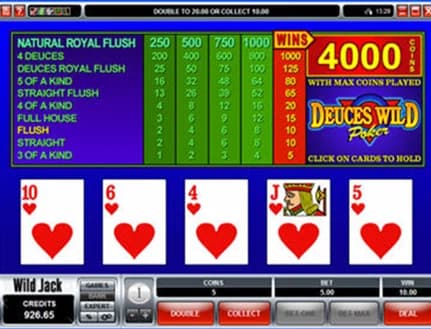
Guide to Playing Video Poker at Overseas Online Casinos: Choosing the Right Paytable and Strategy is Key
Want to play video poker at overseas online casinos? The key to success is choosing a reputable licensed site, learning game variations, focusing on paytable RTP, and using basic strategy tables to make mathematically optimal decisions. This article details paytable differences, strategy training, multi-hand play, and practical bankroll management tips.

Poker Run Fundraiser Brings Warmth to Chattahoochee Humane Society
According to foreign media reports, a charity event called 'Poker Run' raised funds for the Chattahoochee Humane Society. The poker run combines cycling and poker games, where participants collect playing cards along the route and eventually form the best hand to win. All proceeds go to animal protection. This article introduces the background of the event and the appeal of the poker run.

Ponakovs wins $3M in Triton Poker high roller event
Latvian poker player Aleksejs Ponakovs wins approximately $3 million in the Triton Poker series, once again proving his strength in high roller events.

Happy Texas Hold'em: Online Experience and Basic Gameplay Analysis
Happy Texas Hold'em combines classic Texas hold'em rules with the convenience of online card games. This article introduces basic gameplay, betting process, and hand rankings to help beginners get started quickly.

Texas Hold'em Introduction and Core Rules Explained
This article briefly introduces the basic gameplay and core rules of Texas Hold'em, including hand rankings, betting rounds, community cards and hand combinations, suitable for beginners to get started quickly.

Texas Hold'em Split Pot Explained: When to Split the Pot?
Split Pot is when a hand ends in a tie in Texas Hold'em and the pot must be split evenly. This article uses 5 typical hand examples to demonstrate how to determine ties in situations like straight flushes, full houses, two pairs, etc., and includes a funny story about a dealer's mistake.
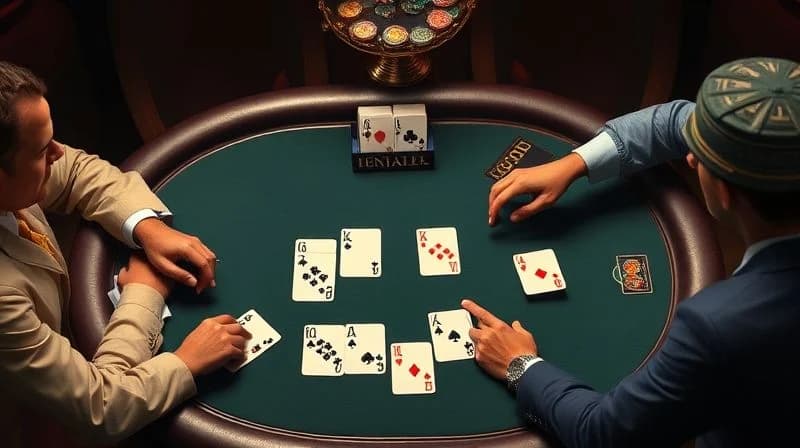
Luckiest Flop Ever? Reddit User Shares Insane Hand
A Reddit user shared a hand: BB shoves, hero calls, HJ also calls. The flop gives hero the nuts, dubbed the 'luckiest flop ever.' This article analyzes the probability of this rare hand and the fun discussion in the poker community.

High Hand Jackpot Is Coming: Should You Change Your Strategy?
When the poker room offers high-hand jackpots, should you change your strategy to chase them? One player shared his experience of accidentally hitting a straight flush to win a $1,050 jackpot, sparking discussion on this issue.

Outs Calculation in Poker: How to Quickly Estimate the Number of Outs
This article systematically explains the definition of Outs in poker, the calculation method 4-2 rule, practical applications, and common misconceptions, helping players quickly evaluate drawing probabilities and make better decisions.

Poker Beginners: First Month Study Plan
A one-month study plan for Texas Hold'em beginners, from rules to basic strategies, to help you smoothly transition through the beginner stage.