Flop
Editor: dezhoupuke.orgRelated Glossary
Rainbow Flop
Rainbow Flop
Rainbow Flop refers to a flop where the three community cards are all of different suits, with no two cards being the s…
Peel Flop
Peel Flop
A call made on the flop with a drawing hand or a weak made hand, primarily to see the turn card, often with the expecta…
Delayed C-Bet Bluff
Delayed C-Bet Bluff
A bluff where the pre-flop aggressor checks the flop and then bets on a later street usually the turn to represent a st…
Delayed Turn Bet
Delayed Turn Bet
A delayed turn bet is a poker strategy where a player checks or calls on the flop with the plan to bet on the turn, typ…
Donk Flop
Donk Flop
A donk flop occurs when a player who called a pre-flop raise leads out on the flop, betting into the pre-flop raiser ra…
Paired Flop
Paired Flop
A flop that contains a pair, meaning two cards of the same rank, such as K♦K♠7♣.
Dynamic Flop
Dynamic Flop
A flop with high connectivity and/or multiple draws, causing hand strengths and equities to shift significantly on late…
PLO 17-Out Wrap
PLO 17-Out Wrap
A PLO 17-out wrap is a straight draw in Pot-Limit Omaha that has 17 possible cards to complete a straight, typically fr…
Omaha 17-Out Wrap
Omaha 17-Out Wrap
In Omaha, a 17-out wrap is a straight draw that offers exactly 17 cards outs to complete a straight, typically arising …
Flop 4-Bet
Flop 4-Bet
A flop 4-bet is the fourth betting action on the flop, typically a re-re-raise after a bet, a raise, and a re-raise.
Flop 3-Bet
Flop 3-Bet
A flop 3-bet is a re-raise made on the flop after an initial bet and a raise, representing the third raise in the betti…
Flop Open
Flop Open
A flop open is the first voluntary bet or raise made on the flop in a community card poker game, typically by a player …
Related Strategy
Probe Bet Turn Strategy: When to Bet and How to Build Range
A probe bet is a strategy of actively betting on the turn after checking the flop. This article details the core logic, applicable scenarios, bet sizing, and range construction of probe bets, helping you effectively take down pots, gain information, and realize equity on the turn.
Float Strategy Explained: A Bluffing Weapon of Calling on the Flop and Attacking on the Turn
Float is an advanced play where you call on the flop with a weak made hand or draw, intending to bluff or semi-bluff on the turn when the opponent shows weakness. This article explains the timing, execution points, opponent reading, and common mistakes of the float play, helping you improve your post-flop aggression.
Flop C-bet Basics: Timing, Sizing, and Strategy Adjustments
Continuation betting C-bet is the most common aggressive action on the flop, but it is not suitable for every hand. This article starts from the basic concepts of continuation betting, explaining the suitable scenarios for flop C-bets, bet sizing choices, range construction techniques, and adjustment strategies against different opponents, helping you build a solid flop offensive system.
The Battle on the Turn: Probe Bet vs Delayed C-bet
Probe bet and delayed c-bet are two key actions on the turn, initiated by the flop check-er or raiser respectively. This article thoroughly analyzes the concepts, applicable scenarios, range construction, and considerations of both, helping you make optimal decisions after checking the flop.
Exploitative Strategy for Probe Bet on the Turn
A probe bet is a bet made on the turn after both players checked the flop. This article explains how to exploit opponents' range weaknesses after they check the flop by using probe bets. It covers bet sizing, frequency, range construction, adjustments, and provides practical examples.
Flop Range C-Bet Frequency Guide: How to Optimize Your Continuation Bet Strategy
This article delves into the theory and practice of flop range c-bet frequency tables. You will learn how to construct optimal continuation bet frequency tables based on factors like flop texture, position, hand strength, and range, thereby maximizing value on the flop while reducing exploitable risks. It includes frequency recommendations and adjustment principles for common flop types.
Paired Flop and Turn: How to Efficiently Use Turn Barrel Strategy
When the flop is paired and the turn produces another pair, the board structure changes significantly. This article teaches you how to use this information to make effective continuation bets barrels on the turn, including range construction, bet sizing, and opponent analysis.
Guide to Turn Barrel Strategy on Monotone Flops
This article delves into the core strategy for continuation betting barreling on monotone flops in the turn round. It covers board texture analysis, range construction, bet sizing and frequency adjustments, as well as practical adjustments based on opponent types, helping players make optimal decisions on complex monotone boards.
A-High Turn Probe Bet Strategy: When to Bet with Ace-High for Value and Information
After checking on the flop with an ace-high hand, a turn probe bet is a highly effective mixed strategy. This article explains the timing, frequency, and bet sizing of probe bets, and how to combine board texture, opponent range, and past actions to make optimal decisions, achieving a balance between value extraction and bluffing.
Delayed Continuation Bet Bluff: Lethal Strike on the Turn
Delayed continuation bet delayed cbet is a bluffing strategy where you bet only on the turn, using a flop check to induce weakness in opponents, then attacking on the turn. This article details its applicable scenarios, key execution points, and examples to help you efficiently take down pots even when you miss the flop.
SPR and Flop All-in Strategy: When to Commit?
SPR Stack-to-Pot Ratio is a key metric in Texas Hold'em for deciding whether to go all-in on the flop. This article details the conditions for committing when SPR is low, analyzing scenarios with top pair, overpair, and draws, helping you make correct decisions on the flop.
Flop C-Bet Frequency Range: Position, Board Texture & GTO Guide
This article systematically explains the logic behind constructing a flop c-bet frequency table, covering positional scenarios, recommended ranges, adjustment factors, and GTO references. Through practical examples, it demonstrates how to optimize frequencies based on flop texture and opponent tendencies, helping players improve decision-making on the flop.
Related Players
' width='512' height='512'/%3E%3Ctext x='256' y='256' text-anchor='middle' dominant-baseline='central' font-family='system-ui,sans-serif' font-size='240' font-weight='bold' fill='hsl(203,30%25,85%25)'%3EBA%3C/text%3E%3C/svg%3E)
Billy Argyros
 Australia
Billy Argyros, known as 'The Croc', is a Greek Australian professional poker player and member of the Australian Poker Hall of Fame. With total live tournament earnings exceeding $2 million, he first gained attention with a 15th-place finish in the 1995 WSOP Main Event. He is also recognized as the resident expert on the Australian Celebrity Poker Challenge and a regular commentator on the international circuit.
' width='512' height='512'/%3E%3Ctext x='256' y='256' text-anchor='middle' dominant-baseline='central' font-family='system-ui,sans-serif' font-size='240' font-weight='bold' fill='hsl(286,30%25,85%25)'%3EWD%3C/text%3E%3C/svg%3E)
William Dias Fernandes
 Brazil
William Dias Fernandes is an active player in the Brazilian poker scene, known in the community for his consistent performance in online tournaments and aggressive playing style.
' width='512' height='512'/%3E%3Ctext x='256' y='256' text-anchor='middle' dominant-baseline='central' font-family='system-ui,sans-serif' font-size='240' font-weight='bold' fill='hsl(112,30%25,85%25)'%3EET%3C/text%3E%3C/svg%3E)
Edgaras Truskauskas
 United Kingdom
Edgaras Truskauskas is a professional poker player from the United Kingdom, known for his steady and aggressive style in high-stakes cash games and tournaments. He achieved a notable third-place finish in the 2025 OlyBet Showdown Vilnius Main Event for €18,510. His tournament results also include a cash in the Banco Casino Masters in Bratislava.
' width='512' height='512'/%3E%3Ctext x='256' y='256' text-anchor='middle' dominant-baseline='central' font-family='system-ui,sans-serif' font-size='240' font-weight='bold' fill='hsl(289,30%25,85%25)'%3EFL%3C/text%3E%3C/svg%3E)
Felix Lambertz
 Germany
Felix Lambertz is a German professional poker player known primarily for online tournaments. With career earnings exceeding $474,957 and no WSOP bracelets, he has achieved notable results including an EPT side event runner-up finish and multiple deep runs in online events.
' width='512' height='512'/%3E%3Ctext x='256' y='256' text-anchor='middle' dominant-baseline='central' font-family='system-ui,sans-serif' font-size='240' font-weight='bold' fill='hsl(74,30%25,85%25)'%3ETS%3C/text%3E%3C/svg%3E)
Tik Sang Kwan
 Taiwan
Tik Sang Kwan, a Hong Kong professional poker player, known for deep runs in the WSOP Main Event and various large tournaments.
' width='512' height='512'/%3E%3Ctext x='256' y='256' text-anchor='middle' dominant-baseline='central' font-family='system-ui,sans-serif' font-size='240' font-weight='bold' fill='hsl(346,30%25,85%25)'%3EOG%3C/text%3E%3C/svg%3E)
Oleksandr Gnatenko
 Ukraine
Oleksandr Gnatenko is a Ukrainian professional poker player known for his strong online multi-table tournament results, including deep runs in PokerStars' Sunday Million and WSOP online side events. With career tournament earnings exceeding $740,000 and a global ranking of 4398, he has built a reputation for aggressive pre-flop play and precise post-flop adjustments. Gnatenko keeps a low public profile, focusing on technical, data-driven play rather than media exposure.
' width='512' height='512'/%3E%3Ctext x='256' y='256' text-anchor='middle' dominant-baseline='central' font-family='system-ui,sans-serif' font-size='240' font-weight='bold' fill='hsl(320,30%25,85%25)'%3EJW%3C/text%3E%3C/svg%3E)
Jason Weber
 United States
Jason Weber, American poker player, ranked 9977th in the world, with career earnings over $340,000. He has achieved good results in many events and is known for his steady style.
' width='512' height='512'/%3E%3Ctext x='256' y='256' text-anchor='middle' dominant-baseline='central' font-family='system-ui,sans-serif' font-size='240' font-weight='bold' fill='hsl(348,30%25,85%25)'%3ETT%3C/text%3E%3C/svg%3E)
Tom Tolbert
United States
Tom Tolbert, American poker player, world ranked 15271st, career total prize money approximately $224,000. Has cashed multiple times in WSOP and other tournaments, known for a steady style.
Related News

2026 EPT Barcelona Main Event: 28 Players Remain, John Juanda and Sebastian Malec Look for Second Wins
The 2026 EPT Barcelona Main Event is down to 28 players. Jose Criado leads, with former champions John Juanda and Sebastian Malec chasing a second title.
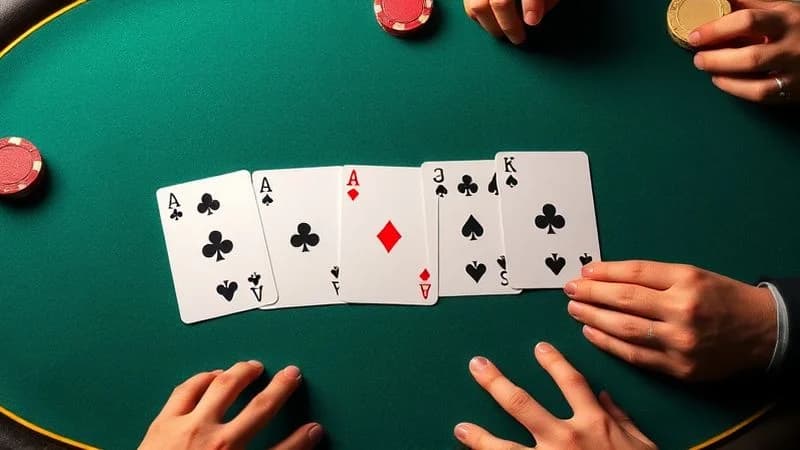
Multiway Hand Review: Donk Bet on a Wet Board Calls for Careful Play
A $600 regional mini-high roller hand featuring a multiway donk bet on a wet K♥5♥6♣ flop. Hero in the big blind with 5♠5♦ faces decisions against a solid HJ and a fishy SB, leading to a tricky turn and river jam.

Which poker habit took you too long to unlearn? Reddit players discuss
On Reddit r/onlinepoker, players share their hardest poker habits to break. This article summarizes the most common ones, including overplaying flush draws, overvaluing small pairs, and being too passive post-flop, along with practical advice to fix these habits.
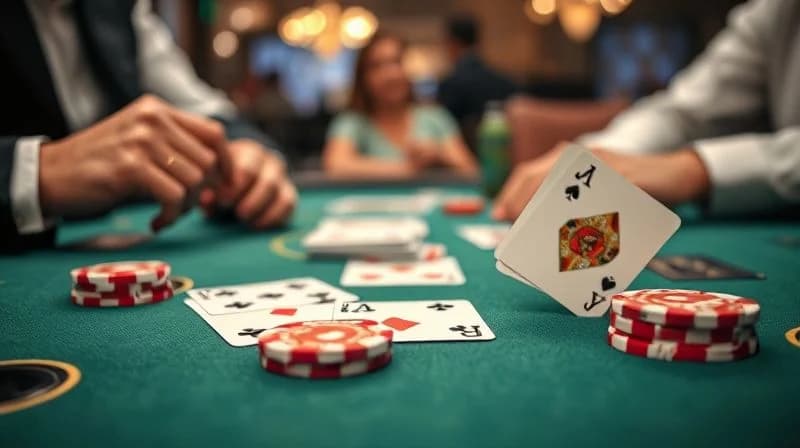
JQ suited flop check, river jam caught by full house, was this hand a mistake?
A player in a 1/3 no-limit hold'em cash game, holding JQ suited, raised on the button. Flopped a flush draw and checked. Turned top pair, rivered trips. Facing a large bet, the player jammed, only to be snap-called by opponent's 77 full house. This article reviews the key decision errors in the hand.
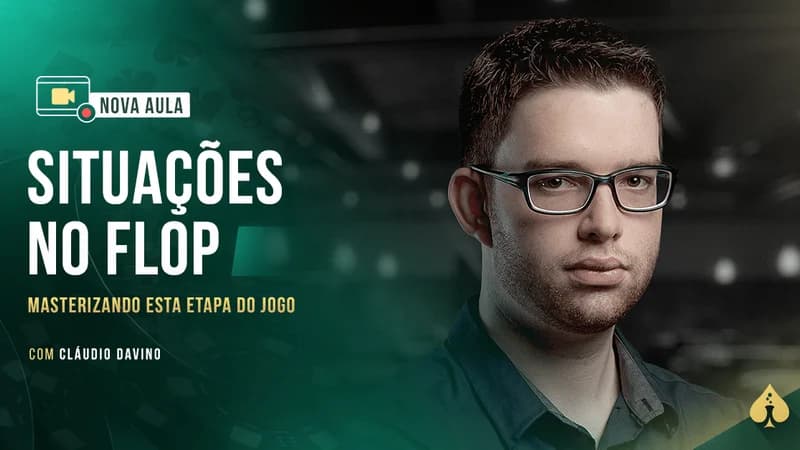
How to Play Medium Pairs on a Connected Paired Flop? Cláudio Davino's In-Depth Analysis
In this lesson, Cláudio Davino analyzes a situation where many players make mistakes: how to play medium pairs on a connected paired flop. He explains why the best strategy is often not to continuation bet and provides alternatives.

Five Players, Millions in Prizes, One Turn Card — The Line Between Dreams and Nightmares
How did one turn card determine millions in prizes for five players? This article reviews the most dramatic turn card moments in poker history, exploring the role of luck and skill at critical moments.

Rainbow Board Strategy: The Essence of Playing Without a Flush Draw
This article systematically explains the definition and principles of rainbow boards, as well as betting, calling, and bluffing strategies when there is no flush draw, combined with practical examples and common mistakes, to help players make optimal decisions on the flop.

Complete Analysis of Monotone Board Defense and Attack Strategies
This article provides in-depth explanations of its definition, probability principles, attack and defense strategies, common mistakes, and practical examples, helping players make correct decisions on the flop, turn, and river.
Postflop Optimal Pot Control: When to Choose Small Pot Play
Through practical hand examples, it analyzes the play choices for marginal made hands, drawing hands, and out-of-position situations, and points out common misconceptions, helping players maintain profitability while avoiding the risk of large pots.

Outs Calculation in Poker: How to Quickly Estimate the Number of Outs
This article systematically explains the definition of Outs in poker, the calculation method 4-2 rule, practical applications, and common misconceptions, helping players quickly evaluate drawing probabilities and make better decisions.

Post-flop Outs and Pot Odds: Rule of 4 and 2
The Rule of 4 and 2 is a technique for quickly estimating the win rate of a drawing hand post-flop: on the flop, multiply the number of outs by 4 to get an approximate win rate to the river; on the turn, multiply by 2 to get the river win rate. This article explains its principles, practical applications, and common misconceptions.

Texas Hold'em Four Streets Streets Analysis: Flop, Turn, River Detailed Explanation
This article systematically analyzes the concepts, principles and strategies of the four streets in Texas Hold'em: preflop, flop, turn, river, helping players improve hand reading and decision-making through practical examples and common misconceptions.
Related
Dynamic Flop
A flop with high connectivity and/or multiple draws, causing hand strengths and equities to shift significantly on late…
StrategyPaired Flop and Turn: How to Efficiently Use Turn Barrel Strategy
When the flop is paired and the turn produces another pair, the board structure changes significantly. This article tea…
GlossaryFlop 3-Bet
A flop 3-bet is a re-raise made on the flop after an initial bet and a raise, representing the third raise in the betti…
StrategyDelayed Continuation Bet Bluff: Lethal Strike on the Turn
Delayed continuation bet delayed cbet is a bluffing strategy where you bet only on the turn, using a flop check to indu…
GlossaryFlop 4-Bet
A flop 4-bet is the fourth betting action on the flop, typically a re-re-raise after a bet, a raise, and a re-raise.
GlossaryFlop Open
A flop open is the first voluntary bet or raise made on the flop in a community card poker game, typically by a player …
GlossaryPLO 17-Out Wrap
A PLO 17-out wrap is a straight draw in Pot-Limit Omaha that has 17 possible cards to complete a straight, typically fr…
StrategyThe Battle on the Turn: Probe Bet vs Delayed C-bet
Probe bet and delayed c-bet are two key actions on the turn, initiated by the flop check-er or raiser respectively. Thi…